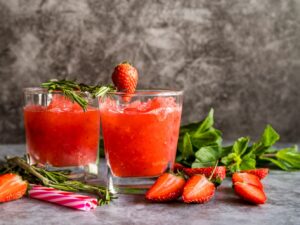

There are mornings when you want something fresh and satisfying, but you don’t want to spend 30 minutes in the kitchen. Maybe you’re rushing to work, getting the kids ready, or simply looking for an easy afternoon snack. That’s where homemade fruit smoothies can make life easier.
With a blender and a handful of everyday ingredients, you can create a cold, creamy smoothie in just a few minutes. You don’t need complicated recipes, expensive ingredients, or professional kitchen equipment. You can use fresh or frozen fruit, adjust the sweetness, and change the texture until you find exactly what you like.
The best part? Once you understand the basic formula, you can stop following recipes and start creating your own combinations.
Why Make Homemade Fruit Smoothies?
Making your own smoothie gives you much more control over what goes into your glass. You can choose your favorite fruits, decide how sweet you want it, and select the type of milk or yogurt that works for you.
Homemade smoothies are also a practical way to use fruit that’s becoming very ripe. Bananas, berries, mangoes, and peaches can be frozen and used later instead of being thrown away.
The USDA’s MyPlate guidance specifically recommends making smoothies with fruit, yogurt or milk, and crushed ice. It also suggests that fresh, frozen, canned, and even overripe fruits can be used.
A Simple Smoothie Formula
You can start with this easy combination:
- 1–1½ cups fruit
- ½–1 cup liquid
- ½ cup yogurt or another creamy ingredient
- ½ cup ice or frozen fruit
- Optional extras such as oats, chia seeds, spinach, or flaxseed
Once you know this formula, you can easily adjust it depending on your taste.
How to Make the Perfect Homemade Fruit Smoothie
Step 1: Choose Your Fruit
Start with one or two fruits rather than combining everything in your refrigerator. Bananas, strawberries, blueberries, mangoes, pineapple, peaches, and raspberries are all easy choices.
Frozen fruit is especially useful when you want a thick, cold smoothie without relying heavily on ice.
Step 2: Add Your Liquid
Milk gives your smoothie a creamy texture, while almond, oat, or soy beverages can provide alternatives. Coconut water works particularly well with tropical fruits.
Start with less liquid than you think you need. You can always add more while blending.
Step 3: Add Something Creamy
Greek yogurt, plain yogurt, banana, avocado, or nut butter can make your smoothie thicker and smoother.
Step 4: Add Optional Extras
If you want to experiment, try:
- Chia seeds
- Ground flaxseed
- Oats
- Spinach
- Kale
- Cinnamon
- Lemon or lime juice
USDA MyPlate also lists ingredients such as spinach, kale, avocado, ground flaxseed, and oatmeal as smoothie additions.
Step 5: Blend Until Smooth
Add your liquid first, followed by softer ingredients and fruit. Frozen ingredients and ice can go toward the top. Blend until everything is smooth, stopping briefly to scrape down the sides if necessary.
10 Easy Homemade Fruit Smoothies
1. Classic Strawberry Banana Smoothie
This is one of the easiest combinations to start with. Strawberries provide a bright fruit flavor while banana adds sweetness and creaminess.
| Ingredient | Amount |
|---|---|
| Strawberries | 1 cup |
| Banana | 1 |
| Milk | ¾ cup |
| Greek or plain yogurt | ½ cup |
| Ice | ½ cup |
| Honey, optional | 1 tsp |
Blend everything until creamy. If your strawberries are frozen, you can reduce or skip the ice.
2. Tropical Mango Pineapple Smoothie
If you want something refreshing, combine mango and pineapple with coconut water.
| Ingredient | Amount |
|---|---|
| Mango | 1 cup |
| Pineapple | ¾ cup |
| Coconut water | ¾ cup |
| Greek yogurt | ½ cup |
| Ice | ½ cup |
| Lime juice | 1 tsp |
The lime juice is optional, but it gives the smoothie a fresher, sharper finish.
3. Mixed Berry Smoothie
A mixed berry smoothie is ideal when you have several types of berries available.
| Ingredient | Amount |
|---|---|
| Strawberries | ½ cup |
| Blueberries | ½ cup |
| Raspberries | ½ cup |
| Greek yogurt | ½ cup |
| Milk | ½–¾ cup |
| Ice | ½ cup |
Frozen berries work particularly well here because they create a thick texture while keeping the drink cold.
4. Blueberry Banana Smoothie
Blueberries and bananas are a simple combination that requires very little preparation.
| Ingredient | Amount |
|---|---|
| Blueberries | 1 cup |
| Banana | 1 |
| Milk | ¾ cup |
| Yogurt | ½ cup |
| Cinnamon | ¼ tsp |
| Ice | ½ cup |
Add a small amount of cinnamon for extra flavor. Taste the smoothie before adding any sweetener because a ripe banana may already provide enough sweetness.
5. Peach Mango Smoothie
For a soft, fruity flavor, combine peaches and mango.
| Ingredient | Amount |
|---|---|
| Peach | 1 cup |
| Mango | ½ cup |
| Yogurt | ½ cup |
| Milk | ¾ cup |
| Ice | ½ cup |
Fresh or frozen peaches can work. If your smoothie is too thick, add a little more milk while blending.
6. Raspberry Banana Smoothie
Raspberries can have a naturally tart flavor, while banana balances them with sweetness.
| Ingredient | Amount |
|---|---|
| Raspberries | 1 cup |
| Banana | 1 |
| Milk | ¾ cup |
| Greek yogurt | ½ cup |
| Honey, optional | 1 tsp |
If you don’t enjoy raspberry seeds, pour the finished smoothie through a fine strainer before serving.
7. Pineapple Banana Smoothie
This tropical combination is creamy, sweet, and easy to prepare.
| Ingredient | Amount |
|---|---|
| Pineapple | 1 cup |
| Banana | 1 |
| Coconut milk | ¾ cup |
| Ice | ½ cup |
| Lime juice | 1 tsp |
For a colder, thicker result, replace some of the fresh pineapple with frozen pineapple.
8. Apple Cinnamon Smoothie
You don’t have to limit smoothies to berries and tropical fruits. Apples can create a surprisingly good smoothie when paired with banana and cinnamon.
| Ingredient | Amount |
|---|---|
| Apple | 1 |
| Banana | ½ |
| Milk | ¾ cup |
| Yogurt | ½ cup |
| Cinnamon | ½ tsp |
| Ice | ½ cup |
Cut the apple into small pieces before blending. You can peel it if you prefer a smoother texture.
9. Green Fruit Smoothie
If you want to add leafy greens without making them the dominant flavor, combine spinach with naturally sweet fruit.
| Ingredient | Amount |
|---|---|
| Banana | 1 |
| Pineapple | ½ cup |
| Spinach | 1 handful |
| Greek yogurt | ½ cup |
| Milk | ¾ cup |
| Ice | ½ cup |
Start with a small handful of spinach. You can increase the amount later if you enjoy the flavor.
10. Creamy Strawberry Mango Smoothie
Strawberries and mango create a colorful combination with plenty of fruity flavor.
| Ingredient | Amount |
|---|---|
| Strawberries | ¾ cup |
| Mango | ¾ cup |
| Banana | ½ |
| Yogurt | ½ cup |
| Milk | ½–¾ cup |
| Ice | ½ cup |
Frozen strawberries or mango can make this recipe especially thick.
Fresh vs. Frozen Fruit: Which Is Better?
You don’t have to choose one permanently. Both fresh and frozen fruit can work well in homemade fruit smoothies.
Fresh fruit is convenient when it’s ripe, in season, and ready to use. It can also give you a lighter texture.
Frozen fruit is useful when you want a colder, thicker smoothie. It also lets you keep certain fruits available long after you’ve bought them.
A combination of fresh and frozen fruit can give you the best of both. For example, use a fresh banana with frozen strawberries.
How to Make Homemade Fruit Smoothies Without Added Sugar
Your smoothie doesn’t automatically need honey or sugar. Start by choosing ripe fruit, especially bananas, mangoes, or pineapple.
Blend everything first and taste it. If it is already sweet enough, leave out the added sweetener.
If you regularly use sweetened yogurt, flavored milk, or fruit drinks, check the labels because these ingredients can change the amount of added sugar in your smoothie.
How to Make Your Smoothie Thicker or Thinner
If your smoothie is too thin, try:
- Adding frozen fruit
- Adding banana
- Adding Greek yogurt
- Reducing the amount of liquid
- Adding a small amount of ice
If it’s too thick, add milk, water, or another liquid one small splash at a time.
Avoid immediately pouring in a large amount of liquid. It’s much easier to thin a smoothie than to make an overly watery smoothie thick again.
Healthy Add-Ins for Homemade Fruit Smoothies
Once you’ve mastered the basic recipes, you can experiment with additional ingredients.
| Add-In | Starting Amount |
|---|---|
| Greek yogurt | ½ cup |
| Oats | 1–2 tbsp |
| Chia seeds | 1 tbsp |
| Ground flaxseed | 1 tbsp |
| Spinach | 1 handful |
| Avocado | ¼ |
| Cinnamon | ¼–½ tsp |
| Lemon or lime juice | 1 tsp |
USDA MyPlate specifically recommends several of these ingredients as possible additions to smoothies.
If you’re tracking calories or nutrients, remember that adding ingredients changes the nutritional profile. USDA FoodData Central provides food-composition data that you can use to check the nutrients in individual ingredients.
Common Homemade Fruit Smoothie Mistakes
Adding Too Much Liquid
Start with a smaller amount and increase it gradually. Too much liquid can turn a thick smoothie into a thin drink.
Using Too Much Ice
Ice can make a smoothie cold, but too much can dilute the flavor. Frozen fruit is often a better option when you want both coldness and stronger fruit flavor.
Adding Too Many Flavors
You don’t need six different fruits in one glass. Two or three main flavors are usually enough.
Adding Sweetener Too Early
Always taste your smoothie before adding honey or another sweetener.
Frequently Asked Questions About Homemade Fruit Smoothies
What are the easiest homemade fruit smoothies to make?
Strawberry banana, blueberry banana, and mixed berry smoothies are excellent starting points because they use simple ingredients and require very little preparation.
Are homemade fruit smoothies healthy?
They can be a convenient way to include fruit and other ingredients, but the overall nutritional profile depends on what you add and how much you use. A smoothie made primarily from fruit, yogurt, and milk is different from one containing large amounts of sweetened ingredients.
What fruits are best for homemade fruit smoothies?
Bananas, strawberries, blueberries, mangoes, pineapple, peaches, and raspberries are all versatile choices. You can use one fruit or combine several.
Is fresh or frozen fruit better for homemade fruit smoothies?
Both work. Frozen fruit is particularly useful when you want a thick, cold smoothie, while fresh fruit can provide a lighter consistency.
How do you make homemade fruit smoothies without yogurt?
Use banana, avocado, frozen fruit, or a plant-based beverage to create a creamy texture. You can also simply blend fruit with your preferred liquid.
Can you make homemade fruit smoothies without added sugar?
Yes. Start with naturally sweet, ripe fruit and taste your smoothie before adding anything else. Banana, mango, and pineapple can work particularly well.
Can you add vegetables to homemade fruit smoothies?
Yes. Spinach and kale are common choices, and fruit can help balance their flavor. USDA MyPlate specifically includes leafy greens among suggested smoothie additions.
Final Thoughts
Making homemade fruit smoothies doesn’t need to be complicated. Start with a few ingredients you already enjoy, use frozen fruit when you want extra thickness, and adjust the liquid until you get the consistency you prefer.
The easiest formula to remember is simple: fruit + liquid + something creamy + optional extras.
Try the classic strawberry banana smoothie first, then experiment with mango, pineapple, berries, peaches, apples, or leafy greens. Once you discover a combination you love, save it as your personal go-to recipe.
Ready to blend? Pick one recipe above, grab your ingredients, and make your first homemade fruit smoothie today. Then come back and try a different combination—you may find your new favorite.
Sources
- USDA MyPlate smoothie and ingredient guidance.
- USDA FoodData Central, a comprehensive source of food-composition and nutrient data.