
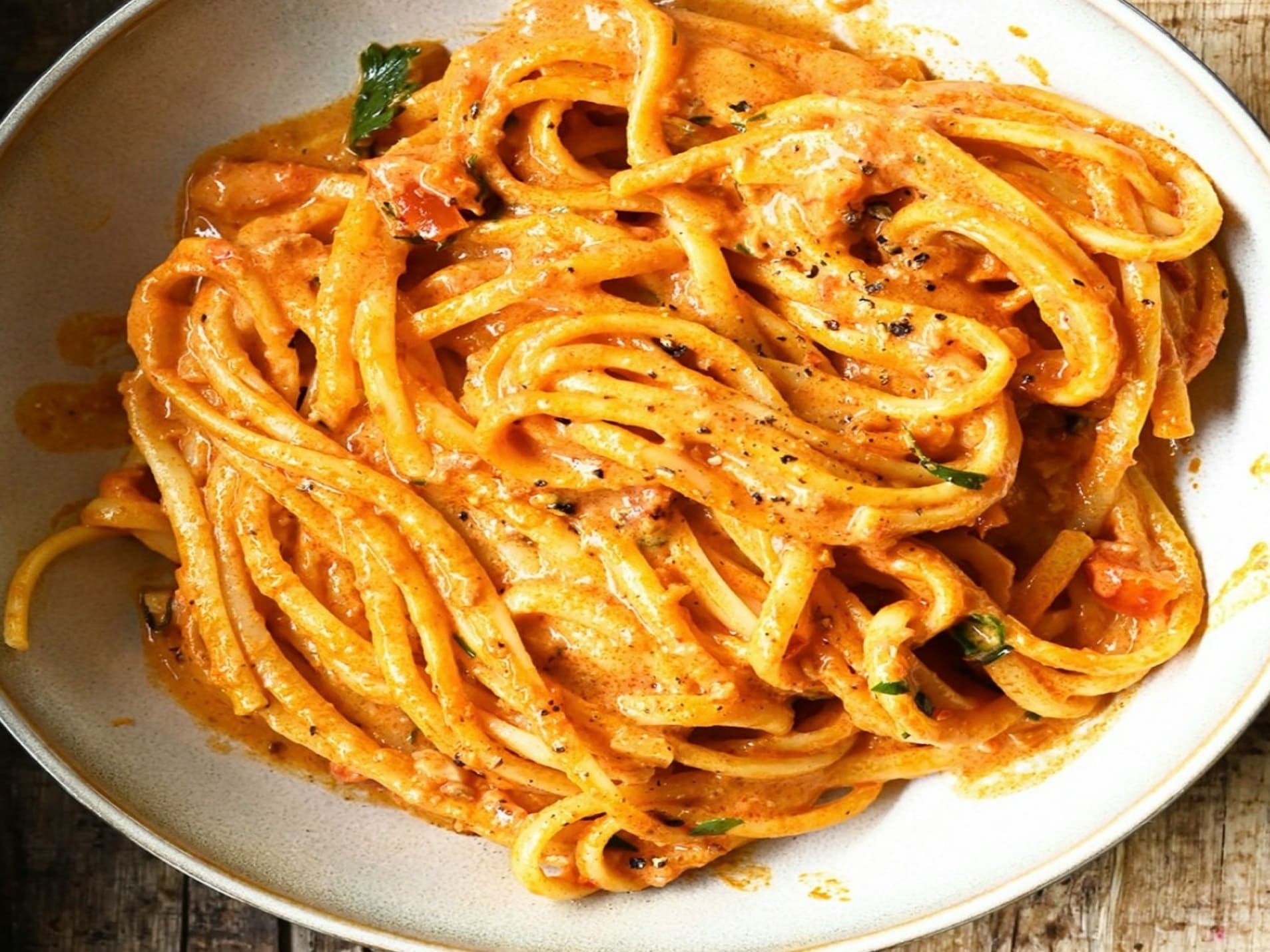
Some dinners are simply convenient, while others make you slow down and enjoy every bite. Creamy tomato pasta belongs in the second category. You get tender pasta coated in a rich tomato sauce, a little Parmesan for savory depth, and fresh spinach that melts into the sauce as it cooks.
The best part is that you don’t need a long ingredient list or complicated cooking techniques. With a few everyday ingredients and one skillet, you can turn a simple pasta dinner into a comforting meal that feels much more special.
This creamy tomato spinach pasta is especially useful when you want something satisfying on a busy evening. You can prepare it in roughly 30 minutes, customize it with your favorite vegetables or protein, and serve it straight from the skillet.
Why You’ll Love This Creamy Tomato Spinach Pasta
This recipe gives you the kind of flexibility that makes it easy to return to again and again.
You can make it when you need a quick weeknight dinner, but it is also good enough to serve when friends or family are around the table.
Here are a few reasons you’ll want to keep this recipe handy:
- It uses simple, easy-to-find ingredients.
- You can have dinner ready in about 30 minutes.
- The tomato sauce has a creamy, rich texture without being complicated.
- Fresh spinach adds color, texture, and a fresh flavor.
- You can easily add chicken, shrimp, or extra vegetables.
- Different pasta shapes work well with the sauce.
- Leftovers can be refrigerated for another meal.
The combination of tomatoes, cream, garlic, Parmesan, and spinach gives you a balanced sauce that is both comforting and flavorful.
Ingredients for Creamy Tomato Pasta with Spinach
Before you start cooking, gather everything you need. Having the ingredients ready makes the process much smoother, especially because the sauce comes together quickly.
Creamy Tomato Pasta Ingredients
| Ingredient | Amount | Purpose |
|---|---|---|
| Pasta | 12 oz (340 g) | Main base of the dish |
| Olive oil | 1 tablespoon | Sautéing the onion and garlic |
| Small onion | 1 | Adds savory flavor |
| Garlic cloves | 3 | Creates a fragrant base |
| Crushed tomatoes | 14 oz (400 g) | Forms the tomato sauce |
| Heavy cream | ½ cup (120 ml) | Gives the sauce its creamy texture |
| Fresh spinach | 3–4 cups | Adds freshness and color |
| Parmesan cheese | ½ cup | Adds richness and savory flavor |
| Italian seasoning | 1 teaspoon | Adds herbal flavor |
| Salt | To taste | Balances the dish |
| Black pepper | To taste | Adds seasoning |
| Red pepper flakes | Optional | Adds gentle heat |
You can use penne, rigatoni, fusilli, spaghetti, or fettuccine. Pasta shapes with ridges, curves, or hollow centers are particularly useful because they catch more of the sauce.
Ingredient Substitutions
You don’t have to follow the ingredient list rigidly.
If you don’t have heavy cream, you can use half-and-half for a lighter result. Frozen spinach can replace fresh spinach, but thaw it and squeeze out excess water before adding it to the sauce.
You can also replace Parmesan with Pecorino Romano if you prefer a sharper, saltier cheese.
For the pasta, use whatever you already have in your pantry. The sauce is versatile enough to work with several shapes.
Choosing the Best Pasta
Penne and rigatoni are excellent choices when you want plenty of sauce in every bite. Fusilli works particularly well because the twists trap the creamy tomato sauce.
If you prefer long pasta, spaghetti or fettuccine will also work. The most important thing is to cook the pasta until it is al dente, rather than letting it become overly soft.
How to Make Creamy Tomato Spinach Pasta
The recipe is straightforward, but the order of the steps matters. You’ll get the best texture if you prepare the sauce while the pasta is cooking.
1. Cook the Pasta
Bring a large pot of salted water to a boil. Add your pasta and cook according to the package directions.
Before draining, reserve about 1–2 cups of the pasta water.
Don’t rinse the cooked pasta. The starch released during cooking can help the sauce cling to the pasta. Barilla also recommends reserving pasta water and using it to help create a smoother sauce.
Drain the pasta and set it aside while you finish the sauce.
2. Sauté the Onion and Garlic
Heat the olive oil in a large skillet over medium heat.
Add the finely chopped onion and cook until it softens. This usually takes several minutes.
Add the minced garlic and cook briefly, stirring frequently. You want the garlic to become fragrant without allowing it to brown too much.
Burned garlic can quickly make the entire sauce taste bitter, so keep the heat under control.
3. Build the Tomato Sauce
Pour the crushed tomatoes into the skillet.
Add the Italian seasoning, black pepper, salt, and red pepper flakes if you’re using them.
Stir everything together and let the tomato mixture simmer for several minutes. This gives the ingredients time to blend and allows some of the excess liquid to cook away.
At this stage, your kitchen should already smell wonderfully savory.
4. Make the Sauce Creamy
Lower the heat before adding the heavy cream.
Pour the cream into the tomato sauce and stir until the color becomes lighter and the mixture looks smooth.
Add the Parmesan gradually while stirring.
You want the cheese to melt into the sauce rather than sit in clumps. Keeping the heat moderate makes it easier to create a smooth consistency.
5. Add the Spinach
Add the fresh spinach directly to the skillet.
It may look like far too much at first, but don’t worry. Spinach quickly wilts when exposed to the hot sauce.
Stir it through the sauce until the leaves are softened and evenly distributed.
6. Combine the Pasta and Sauce
Add the drained pasta to the skillet.
Toss everything together until the pasta is evenly coated.
If the sauce looks too thick, add a small splash of your reserved pasta water and stir. Continue adding small amounts until you reach the consistency you like.
This final tossing step matters because you want the sauce to coat the pasta rather than simply sit underneath it.
Tips for Making the Best Creamy Tomato Pasta
Use Pasta Water for a Smoother Sauce
Don’t automatically throw away your pasta water.
The water contains starch released from the pasta during cooking. Adding a little to your sauce can help loosen it while encouraging the sauce to cling to the pasta.
Add it gradually. You can always add more, but it is much harder to correct a sauce that has become too watery.
Don’t Overcook the Pasta
Your pasta will continue cooking slightly when you toss it with the hot sauce.
Cooking it until al dente gives you a better texture and prevents the finished dish from becoming mushy.
Balance the Tomato Flavor
Tomatoes naturally bring acidity to the dish. Instead of immediately adding sugar, let the sauce simmer and taste it after the flavors have developed.
Then adjust the salt, Parmesan, pepper, and other seasonings according to your preference.
Add Parmesan at the Right Time
Adding Parmesan over excessively high heat can make the cheese behave poorly in a creamy sauce.
Keep the heat moderate and stir the cheese into the sauce gradually.
Easy Variations of Creamy Tomato Spinach Pasta
One of the best things about this recipe is how easily you can change it.
Creamy Tomato Chicken Pasta
Cook sliced or cubed chicken separately, season it well, and stir it into the finished pasta.
This turns the recipe into a heartier meal when you’re looking for additional protein.
Creamy Tomato Shrimp Pasta
Shrimp cooks quickly, making it a convenient addition.
Sauté the shrimp separately until cooked, then add it to the finished creamy tomato sauce.
Spicy Creamy Tomato Pasta
If you enjoy heat, increase the amount of red pepper flakes.
You can also add finely chopped fresh chili for a stronger kick.
Vegetarian Creamy Tomato Pasta
The original recipe is already meat-free. Serve it with roasted vegetables or a crisp green salad for a complete vegetarian dinner.
Extra-Cheesy Tomato Spinach Pasta
For an even richer dish, add extra Parmesan or another cheese that melts well.
Just remember that additional cheese can also increase the saltiness, so taste before adding more seasoning.
What to Serve with Creamy Tomato Spinach Pasta
Because the sauce is rich and creamy, a fresh or crisp side can balance the meal nicely.
Try serving your pasta with:
- Garlic bread
- Crusty bread
- A simple green salad
- Roasted vegetables
- Steamed broccoli
- Bruschetta
- Cucumber salad
A piece of crusty bread is particularly useful for scooping up any sauce left on your plate.
How to Store and Reheat Creamy Tomato Pasta
If you have leftovers, let the pasta cool and transfer it to an airtight container.
The USDA recommends refrigerating leftovers promptly and using refrigerated cooked leftovers within 3 to 4 days. Perishable food should not remain at room temperature for more than two hours, or one hour when the temperature is above 90°F (32°C).
Refrigerating Leftovers
Store the pasta in a covered container in the refrigerator.
If you’ve made a large batch, dividing it into shallow containers can help it cool more quickly.
Reheating
Creamy pasta often thickens after refrigeration.
When reheating, add a small splash of water, milk, or cream and stir gently. This can help loosen the sauce and bring back some of its original creaminess.
For food safety, USDA guidance recommends reheating leftovers to 165°F (74°C).
Can You Freeze Creamy Tomato Pasta?
You can freeze leftovers, although cream-based sauces may change texture after freezing and thawing.
If you decide to freeze the pasta, use an airtight freezer-safe container and leave enough room for expansion. For the best texture, consume frozen leftovers within the recommended storage period.
Common Mistakes to Avoid
Making the Sauce Too Thin
Don’t add a large amount of pasta water at once.
Start with a tablespoon or two and stir. Continue adding small amounts until the sauce reaches the consistency you want.
Adding Too Much Cream
Cream should complement the tomato flavor, not completely hide it.
Start with the recommended amount and adjust only if necessary.
Burning the Garlic
Garlic cooks quickly. Keep the heat moderate and stir it frequently.
Overcooking the Spinach
Fresh spinach doesn’t need much time. Once it has wilted, it is ready to become part of the sauce.
Forgetting to Reserve Pasta Water
This is one of the easiest steps to overlook. Set a measuring cup beside the stove before draining your pasta so you remember.
Creamy Tomato Spinach Pasta Recipe
Recipe Overview
| Category | Details |
|---|---|
| Prep Time | 10 minutes |
| Cook Time | 20 minutes |
| Total Time | About 30 minutes |
| Servings | 4 |
| Course | Main Course |
| Cuisine | Italian-inspired |
| Difficulty | Easy |
Recipe Ingredients
| Ingredient | Amount |
|---|---|
| Pasta | 12 oz (340 g) |
| Olive oil | 1 tablespoon |
| Small onion, chopped | 1 |
| Garlic, minced | 3 cloves |
| Crushed tomatoes | 14 oz (400 g) |
| Heavy cream | ½ cup (120 ml) |
| Fresh spinach | 3–4 cups |
| Parmesan cheese | ½ cup |
| Italian seasoning | 1 teaspoon |
| Salt | To taste |
| Black pepper | To taste |
| Red pepper flakes | Optional |
Instructions
- Bring a large pot of salted water to a boil and cook the pasta until al dente.
- Reserve 1–2 cups of pasta water, then drain the pasta without rinsing.
- Heat olive oil in a large skillet over medium heat.
- Add the onion and cook until softened.
- Add the garlic and cook briefly until fragrant.
- Stir in the crushed tomatoes, Italian seasoning, salt, black pepper, and red pepper flakes.
- Let the tomato sauce simmer for several minutes.
- Reduce the heat and stir in the heavy cream.
- Add the Parmesan and stir until incorporated.
- Add the spinach and cook until wilted.
- Add the cooked pasta and toss until thoroughly coated.
- Add small amounts of reserved pasta water if the sauce needs to be loosened.
- Taste and adjust the seasoning before serving.
Serving Suggestions
For the finishing touch, grate a little fresh Parmesan over each serving.
You can also add freshly ground black pepper, fresh basil, or a pinch of red pepper flakes.
Serve the pasta immediately while the sauce is warm, smooth, and creamy.
Frequently Asked Questions About Creamy Tomato Pasta
Can I make creamy tomato pasta without heavy cream?
Yes. You can use half-and-half as a lighter alternative. Keep in mind that the final sauce will be less rich than one made with heavy cream.
Can I use frozen spinach in creamy tomato pasta?
Yes. Thaw the spinach completely and squeeze out as much excess water as possible before adding it to the sauce. This helps prevent the sauce from becoming watery.
What pasta works best for creamy tomato sauce?
Penne, rigatoni, fusilli, and other textured pasta shapes work especially well because their surfaces and shapes hold onto the sauce. Spaghetti and fettuccine are also good choices if you prefer long pasta.
How do I make creamy tomato pasta less acidic?
Let the tomato sauce simmer for several minutes before adding the cream. Then taste the finished sauce and adjust the seasoning gradually. Parmesan can also contribute savory depth that balances the tomato flavor.
Can I add chicken to creamy tomato spinach pasta?
Absolutely. Add cooked chicken to the finished sauce before tossing everything with the pasta. You can use grilled, roasted, or pan-seared chicken depending on what you prefer.
How do I make creamy tomato pasta spicy?
Add red pepper flakes to the tomato sauce. You can increase the amount gradually until you reach your preferred level of heat.
How do I keep creamy tomato pasta from drying out?
Reserve some pasta water before draining. If your sauce becomes too thick while cooking or reheating, add a small splash and stir until the sauce becomes creamy again.
Conclusion
When you want a dinner that feels comforting without demanding a lot of time in the kitchen, creamy tomato spinach pasta is an easy choice. You get a rich tomato sauce, tender pasta, wilted spinach, and Parmesan in one satisfying bowl.
The recipe is also easy to make your own. Add chicken when you want a heartier meal, shrimp for a seafood twist, extra vegetables for more variety, or red pepper flakes when you want some heat.
So gather your ingredients, save that pasta water, and give this creamy tomato pasta a place on your next weeknight dinner menu. Once you make it, you may find yourself returning to this simple combination whenever you need something warm, flavorful, and reliably satisfying.