
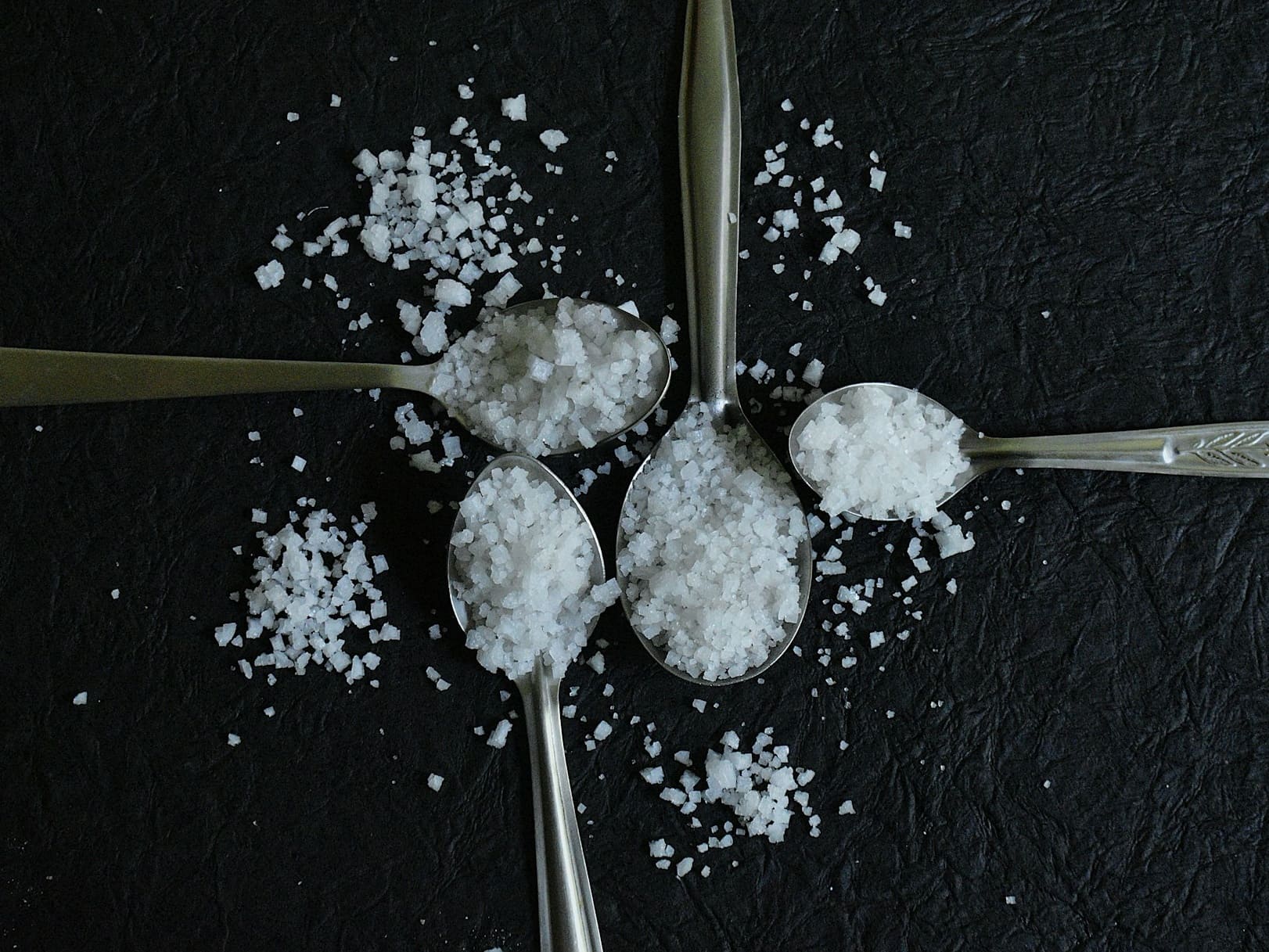
You taste the soup just before serving and realize the salt has gone too far. Or maybe it was the soy sauce, Parmesan, bouillon, cured meat, or salted stock that pushed a sauce over the edge.
An over-salted dish isn’t always ruined. The most dependable fixes usually involve increasing the amount of unsalted food or liquid, then adjusting the other flavors only after the salt concentration has been brought under control.
The important distinction is this: lemon juice, sugar, and cream can change how salty a dish tastes, but they don’t magically remove sodium. If the dish is seriously over-salted, dilution or adding more unsalted ingredients should usually come first.
Start Here: Match the Fix to the Food
| Food That’s Too Salty | Best First Move |
|---|---|
| Soup | Add unsalted liquid or more soup ingredients |
| Stew | Add vegetables, beans, meat, or unsalted liquid |
| Curry | Add unsalted base, coconut milk, vegetables, or protein |
| Tomato sauce | Add more unsalted tomatoes/sauce base |
| Cream sauce | Add more unsalted dairy/base |
| Gravy | Dilute, then restore thickness if necessary |
| Chili | Add tomatoes, beans, vegetables, or another unsalted batch |
| Rice | Combine with unsalted cooked rice |
| Pasta | Add unsalted pasta and/or more sauce |
| Meat | Serve with unsalted sides or incorporate into a larger dish |
Why Food Becomes Too Salty
Sometimes the problem isn’t the salt shaker.
A dish can accumulate salt from several ingredients:
- Salted broth or stock
- Bouillon
- Soy sauce
- Cheese
- Bacon and other cured meats
- Premixed seasoning blends
- Prepared sauces and condiments
- Salt added at several stages
Reduction creates another common problem.
Imagine a sauce tastes perfectly seasoned while it’s still thin. You continue simmering until a large amount of water evaporates.
The water leaves.
The salt doesn’t.
That means the remaining sauce can taste significantly saltier even though you didn’t add another pinch.
1. Dilute Soups, Stews, Curries, and Sauces
For liquid-heavy dishes, dilution is usually the most straightforward rescue technique.
Depending on the recipe, you might add:
- Water
- Unsalted broth
- No-salt-added stock
- Unsalted tomato sauce
- Milk
- Cream
- Coconut milk
Don’t pour in a huge quantity immediately.
Use this process:
ADD A LITTLE → STIR → TASTE → REASSESS
The best liquid is usually one that already belongs in the flavor profile.
A creamy soup may benefit from additional milk or cream. A tomato sauce may be better expanded with unsalted tomatoes than plain water. Coconut milk may fit a curry but make little sense in a traditional gravy.
What Dilution Actually Does
Dilution doesn’t pull salt out.
Suppose the original pot contains the equivalent of four servings but has far too much salt.
If you increase the unsalted ingredients until you effectively have six servings, the same amount of salt is now distributed through more food.
That’s why dilution works.
It also explains why adding water and then boiling all that water away again can put you close to where you started.
2. Add More Unsalted Ingredients
Sometimes adding liquid would destroy the texture.
In that case, increase the food itself.
Depending on the dish, useful additions include:
- Beans
- Lentils
- Potatoes
- Vegetables
- Tomatoes
- Rice
- Pasta
- Grains
- Unsalted meat or other protein
For example, if chili is too salty, adding more beans and unsalted tomatoes can increase its volume while preserving a thick chili-like consistency.
For a curry, additional vegetables and unsalted sauce base may make more sense.
The principle is the same:
MORE UNSALTED FOOD = LOWER SALT CONCENTRATION PER PORTION
3. Make a Second Unsalted Batch
When a dish is very salty, tiny corrections may not be enough.
If practical, make another portion of the recipe without salt and combine the two.
This can work especially well with:
- Soup
- Chili
- Curry
- Stew
- Tomato sauce
- Gravy
It takes more ingredients, but it often preserves the intended flavor better than repeatedly adding water, sugar, acid, and other “fixes.”
You also end up with more portions, which may be useful if the dish freezes well.