
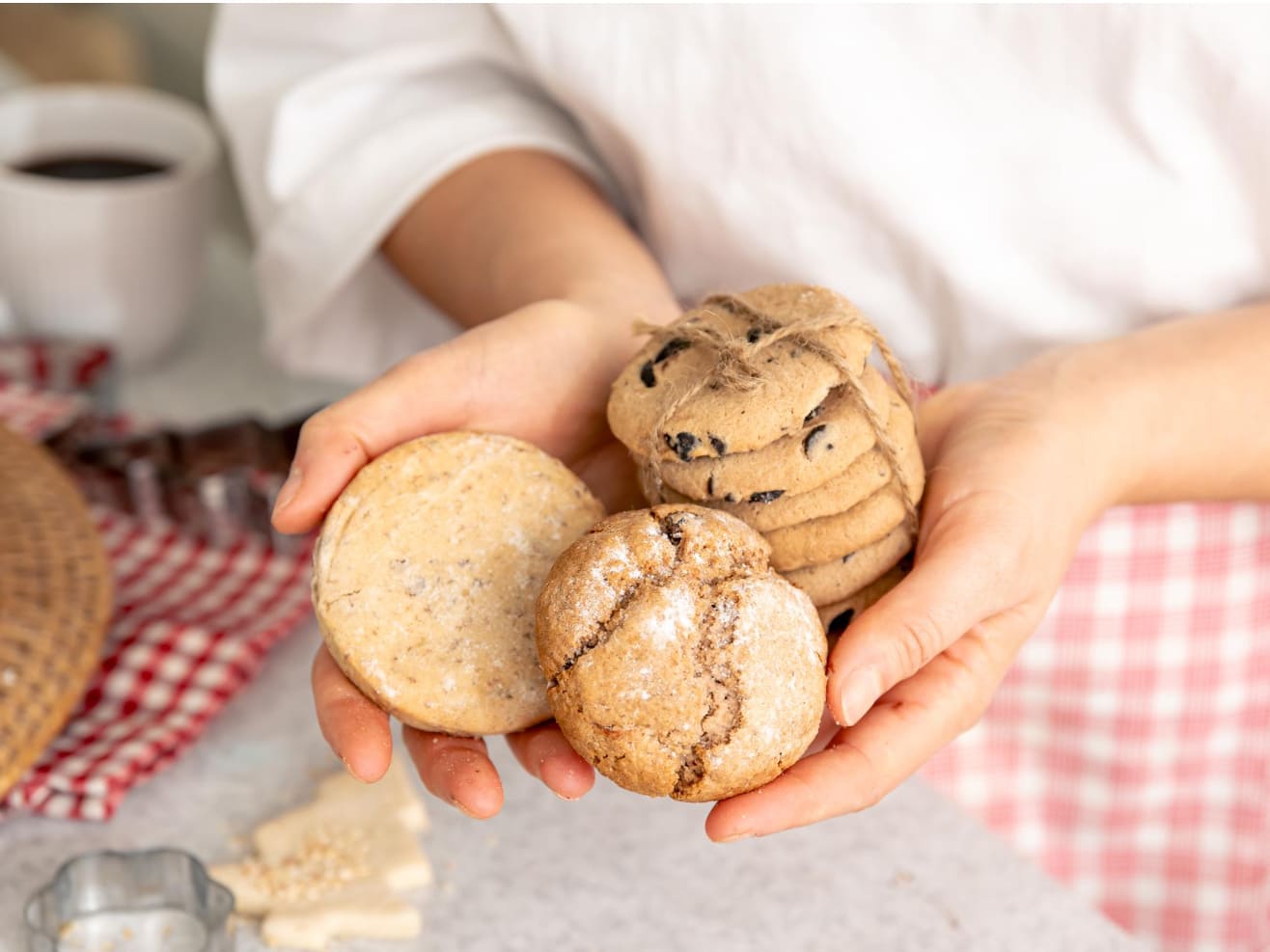
There is something satisfying about making cookies from scratch. You mix a few everyday ingredients, fill your kitchen with the smell of butter and vanilla, and end up with a warm treat you can share with people you care about. Even if you have never baked before, you can make delicious cookies without complicated equipment or advanced skills.
These easy homemade cookies are designed with beginners in mind. You will learn what ingredients you need, how to prepare the dough, how to bake cookies with the right texture, and what to do when something goes wrong. Once you master the basic recipe, you can also change it to create your own favorite version.
What Makes Easy Homemade Cookies Perfect for Beginners?
Cookies are a great place to start if you are learning to bake. Unlike some cakes and pastries, you do not need special decorating skills or complicated techniques. Most of the work involves measuring, mixing, shaping, and baking.
You also have plenty of flexibility. If your first batch is slightly softer or crispier than expected, you can adjust your technique the next time.
What You Need Before You Start
You only need a few basic kitchen tools:
- Mixing bowl
- Measuring cups and spoons or a kitchen scale
- Wooden spoon, spatula, or whisk
- Baking sheet
- Parchment paper
- Cookie scoop or regular spoon
- Cooling rack
Before you begin, read the complete recipe. Measure your ingredients and make sure your oven is working properly. A little preparation can save you from rushing halfway through the recipe.
Easy Homemade Cookies Ingredients
The best part about a simple cookie recipe is that you probably already have many of the ingredients in your kitchen.
Basic Cookie Ingredients
| Ingredient | Amount | Purpose |
|---|---|---|
| All-purpose flour | 2 cups | Gives the cookies structure |
| Unsalted butter, softened | 1 cup | Adds richness and flavor |
| Granulated sugar | ¾ cup | Provides sweetness |
| Brown sugar | ½ cup | Adds moisture and a deeper flavor |
| Large eggs | 2 | Binds the ingredients |
| Vanilla extract | 1 teaspoon | Adds flavor |
| Baking soda | 1 teaspoon | Helps the cookies rise and spread |
| Salt | ½ teaspoon | Balances the sweetness |
| Chocolate chips | 1 cup | Adds chocolate flavor |
For more consistent results, measure your flour carefully. Scooping flour directly from a container can sometimes give you more flour than the recipe requires. If you have a kitchen scale, weighing ingredients is an easy way to improve accuracy.
Ingredient Substitutions
You can make small changes depending on what you have available. Salted butter can replace unsalted butter, although you may want to reduce the added salt. You can also replace chocolate chips with chopped chocolate, raisins, dried cranberries, or nuts.
If you need a gluten-free version, use a tested gluten-free flour blend designed for baking rather than randomly replacing the flour.
How to Make Easy Homemade Cookies Step by Step
Once your ingredients are ready, the process is straightforward.
Step 1: Prepare Your Ingredients
Preheat your oven to 350°F (175°C) and line a baking sheet with parchment paper.
Your butter should be softened but not melted. If the butter is completely liquid, your cookies may spread more than expected.
Step 2: Mix the Butter and Sugars
Place the softened butter, granulated sugar, and brown sugar in a large bowl. Beat or stir until the mixture becomes smooth and creamy.
You do not need an expensive stand mixer. A sturdy spoon or hand mixer works well for this recipe.
Step 3: Add the Eggs and Vanilla
Add the eggs one at a time, mixing after each addition. Stir in the vanilla extract.
The mixture may look slightly uneven at this stage. That is normal. Focus on combining the ingredients without unnecessarily overmixing.
Step 4: Combine the Dry Ingredients
In another bowl, mix the flour, baking soda, and salt.
Gradually add the dry ingredients to the butter mixture. Stir just until you no longer see large areas of dry flour.
Overmixing the dough can give you a less tender cookie, so stop once everything is combined.
Step 5: Add the Chocolate Chips
Fold the chocolate chips into the dough with a spatula or wooden spoon.
Try to distribute them evenly so each cookie gets a good amount of chocolate.
Step 6: Portion the Dough
Scoop the dough onto your prepared baking sheet. Leave several centimeters of space between each portion because the cookies will spread during baking.
For evenly baked cookies, try to make each portion approximately the same size.
Step 7: Bake the Cookies
Bake for approximately 10–12 minutes, watching them carefully toward the end.
The edges should look lightly golden while the centers can still appear slightly soft. Do not wait until the entire cookie looks completely firm in the oven.
Step 8: Let Them Cool
Remove the baking sheet from the oven and let the cookies sit for several minutes before transferring them to a cooling rack.
The cookies continue to set as they cool. Moving them immediately can cause soft cookies to break apart.
Easy Homemade Cookies Recipe at a Glance
If you want a quick reference while baking, use these basic measurements:
| Recipe Detail | Information |
|---|---|
| Preparation | About 15 minutes |
| Oven temperature | 350°F / 175°C |
| Baking time | About 10–12 minutes |
| Yield | Approximately 24 cookies |
| Difficulty | Beginner |
| Main flavor | Chocolate chip |
Your actual baking time may vary depending on your oven and the size of your cookies. Use appearance and texture as additional guides instead of relying only on the timer.
How to Get the Perfect Cookie Texture
Your preferred cookie texture is largely a matter of personal taste, but a few techniques can help.
For Soft and Chewy Cookies
If you prefer soft, chewy cookies, avoid leaving them in the oven until they become completely firm. Brown sugar also contributes moisture and a deeper caramel-like flavor.
Let the cookies finish setting on the baking sheet after removing them from the oven.
For Crispy Cookies
For a crispier result, you can bake the cookies slightly longer. Smaller cookies can also become crispier because they have more exposed surface area.
Keep an eye on the edges so they do not become overly dark.
For Thick Cookies
If your dough spreads too quickly, chilling it before baking can help. Place the prepared dough in the refrigerator and then bake according to the recipe instructions.
You should also make sure your butter is softened rather than melted.
Common Cookie-Baking Mistakes Beginners Make
Using Too Much Flour
Too much flour can make cookies dry, dense, or crumbly. Measure carefully and avoid packing flour tightly into a measuring cup.
Overmixing the Dough
Once you add the flour, mix only until the ingredients come together. There is no advantage to continuing to beat the dough for several minutes.
Using a Hot Baking Sheet
If you are making several batches, allow the baking sheet to cool before placing fresh dough onto it. A hot surface can cause the dough to start spreading before it enters the oven.
Overbaking the Cookies
One of the easiest mistakes to make is leaving cookies in the oven until they look completely finished. The centers often continue setting while the cookies cool.
Placing Cookies Too Close Together
Give each cookie enough room to spread. Crowding the pan can cause cookies to merge into each other.
Easy Homemade Cookies Variations
Once you are comfortable with the basic recipe, you can experiment.
Easy Chocolate Chip Cookies
Use different types of chocolate to change the flavor. Semi-sweet, dark, milk, or white chocolate can all give your cookies a different character.
Oatmeal Cookies
Add rolled oats and consider mixing in raisins, dried cranberries, or chocolate chips.
Peanut Butter Cookies
Peanut butter creates a richer, nuttier cookie. If you change the recipe substantially, use a tested peanut butter cookie recipe to maintain the right balance of ingredients.
Double Chocolate Cookies
For serious chocolate lovers, try a cocoa-based dough with chocolate chips mixed throughout.
Cookies Without Chocolate
You can also keep things simple with cinnamon sugar, coconut, oatmeal, or raisin cookies.
How to Store Homemade Cookies
Once your cookies have completely cooled, place them in an airtight container. Keep them at room temperature in a cool, dry location.
If you want to keep them longer, freezing is another option.
Can You Freeze Homemade Cookie Dough?
Yes. Portion the dough first, place the portions on a tray, and freeze them. Once firm, transfer them to a freezer-safe container or bag and label the date.
When you are ready to bake, follow the tested recipe’s instructions for baking from frozen or after thawing.
Can You Freeze Baked Cookies?
You can freeze baked cookies after they have cooled completely. Store them in a freezer-safe container with suitable separation between layers.
Thaw them at room temperature before serving.
Tips for Making Easy Homemade Cookies With Kids
Cookie baking can become a fun family activity. Let children help measure ingredients, stir the dough, add chocolate chips, or portion cookies under supervision.
Keep children away from the hot oven, baking sheet, and other heated equipment. You can also let them decorate cooled cookies with simple toppings.
Frequently Asked Questions About Easy Homemade Cookies
What are the easiest homemade cookies for beginners?
Simple drop cookies are among the easiest choices because you mix the dough, scoop portions onto a baking sheet, and bake. Chocolate chip cookies are a particularly approachable option.
Why did my easy homemade cookies spread too much?
The butter may have been too warm, the dough may have been too soft, or your flour measurement may have been inaccurate. Chilling the dough can sometimes help reduce excessive spreading.
Why are my homemade cookies too hard?
Overbaking is a common reason. Too much flour can also create a hard or dry texture.
Should you chill cookie dough before baking?
Not every recipe requires chilling, but chilling can help control spreading and can change the final texture. Follow the recipe you are using.
How long do easy homemade cookies last?
Storage time depends on the recipe and storage conditions. For the best quality, keep them in an airtight container and follow food-safety guidance for any ingredients that require refrigeration.
Can you make easy homemade cookies without a mixer?
Absolutely. Many cookie recipes can be prepared with a wooden spoon, whisk, or sturdy spatula.
What is the secret to making easy homemade cookies soft?
Accurate measurements, properly softened butter, avoiding excessive flour, and taking the cookies out before they become completely firm can all contribute to a softer texture.
Beginner Cookie-Baking Checklist
Before your cookies go into the oven, check that you have:
- Measured all ingredients accurately
- Preheated the oven
- Prepared the baking sheet
- Made evenly sized dough portions
- Left enough space between cookies
- Set a timer
- Prepared a cooling rack
Conclusion: Your First Batch of Easy Homemade Cookies
Making easy homemade cookies does not require years of baking experience. With basic ingredients, accurate measurements, and a little attention to baking time, you can make a batch that tastes far better than something you simply pulled from a package.
Start with the basic recipe before changing too many ingredients. Pay attention to how the dough looks, how the cookies spread, and how they feel after cooling. Once you understand those small details, you can confidently experiment with chocolate, oats, nuts, spices, and other flavors.
Now grab your mixing bowl, preheat your oven, and make your first batch. Save this recipe, try it today, and share your favorite cookie variation in the comments.