
Have you ever made a dish that looked perfect but somehow tasted a little flat? You add more salt, adjust the pepper, maybe even squeeze in some lemon, yet something still seems missing.
The answer may be sitting quietly in your spice rack—or growing in a pot on your windowsill.
Choosing between fresh vs dried herbs can change the character of an entire dish. Fresh basil can make a simple tomato salad taste bright and lively, while dried oregano can give a slow-cooked sauce a deeper, more concentrated flavor. Neither form is automatically better. The trick is knowing when to use each one.
Once you understand how fresh and dried herbs behave, you can stop treating herb substitutions as guesswork. You’ll know when to reach for the refrigerator, when your spice cabinet is the better choice, and how much to use when a recipe calls for one form but you only have the other.
Fresh vs Dried Herbs: What’s the Difference?
Fresh and dried herbs come from the same plants, but they don’t behave the same way in your cooking.
Fresh herbs contain a large amount of moisture and tend to have a bright aroma, softer texture, and more delicate flavor. Dried herbs have had most of their moisture removed, making their flavor more concentrated by volume.
That difference affects everything from how much you use to when you add the herbs to your recipe.
Fresh Herbs
Fresh herbs are usually best when you want your food to taste vibrant and aromatic.
Common examples include:
- Basil
- Cilantro
- Parsley
- Mint
- Chives
- Dill
- Fresh tarragon
- Fresh rosemary
- Fresh thyme
Fresh herbs are especially useful in salads, fresh sauces, pestos, garnishes, sandwiches, and dishes where the herb itself is supposed to stand out.
Dried Herbs
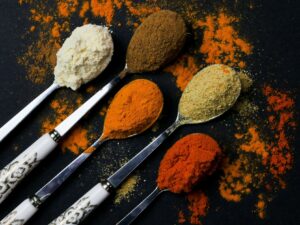
Dried herbs are convenient, concentrated, and easy to keep in your pantry.
Popular dried herbs include:
- Oregano
- Thyme
- Rosemary
- Sage
- Marjoram
- Basil
- Parsley
- Tarragon
They’re particularly useful in soups, stews, sauces, roasted vegetables, marinades, casseroles, and other recipes that spend time cooking.
Drying is also an effective preservation method. University of Minnesota Extension notes that dried herbs should be kept in airtight containers away from heat and bright light, and properly stored dried herbs can generally retain quality for around a year.
Why Fresh and Dried Herbs Don’t Always Taste the Same
Drying doesn’t simply remove water and leave the herb unchanged.
The process can alter the herb’s aroma and flavor. That’s why dried basil, for example, doesn’t provide exactly the same fresh, sweet character as a handful of freshly picked basil leaves.
This is also why some herbs are particularly successful when dried while others are much more enjoyable fresh.
Fresh vs Dried Herbs: Which One Should You Use?
The easiest way to decide is to consider the type of dish you’re making and how long it will cook.
| Cooking Situation | Best Choice | Why |
|---|---|---|
| Fresh salad | Fresh | Bright flavor and texture |
| Pesto | Fresh | Fresh aroma is essential |
| Long-simmered soup | Dried | Flavor develops during cooking |
| Tomato sauce | Both | Dried adds depth; fresh adds brightness |
| Roasted vegetables | Dried or fresh | Both work well |
| Garnish | Fresh | Better color and aroma |
| Slow-cooked stew | Dried | Concentrated flavor |
| Tabbouleh | Fresh | Fresh parsley is a key ingredient |
| Pizza | Dried or fresh | Depends on the style |
| Marinade | Either | Depends on the herb and recipe |
A useful rule is simple: the longer your food cooks, the more useful dried herbs become. The fresher and lighter the dish, the more valuable fresh herbs tend to be.
When to Use Fresh Herbs
Fresh herbs are your best friend when you’re trying to add brightness rather than simply increase seasoning.
Use Fresh Herbs for Bright, Fresh Flavors
Imagine two bowls of tomato salad.
One contains tomatoes, olive oil, salt, and dried oregano.
The other contains the same ingredients plus freshly torn basil.
The second version immediately feels more vibrant. That’s what fresh herbs can do.
They’re especially useful in:
- Salads
- Fresh salsas
- Pesto
- Chimichurri
- Yogurt sauces
- Fresh pasta dishes
- Sandwiches
- Grain bowls
- Garnishes
Fresh herbs can also contribute visual appeal. A handful of chopped parsley or cilantro can make a finished dish look much more appetizing.
Add Fresh Herbs at the Right Time
Timing matters.
If you throw delicate fresh herbs into a dish at the beginning and cook them for a long time, you may lose much of the aroma you’re trying to add.
For many recipes, adding fresh herbs near the end gives you a stronger fresh character. Utah State University Extension similarly recommends adding fresh herbs toward the end of cooking because prolonged cooking can reduce their potency.
Delicate herbs that often benefit from later addition include:
- Basil
- Cilantro
- Parsley
- Mint
- Chives
- Dill
More robust herbs such as rosemary and thyme can handle longer cooking.
Best Recipes for Fresh Herbs
If you have a large bunch of fresh herbs in your refrigerator, try using them in:
- Basil pesto
- Tabbouleh
- Chimichurri
- Tomato and basil salad
- Fresh herb butter
- Mint yogurt sauce
- Green herb dressing
When to Use Dried Herbs
Dried herbs shine when you want flavor that can stand up to cooking.
Dried Herbs Are Ideal for Long Cooking Times
If you’re making a soup that will simmer for 30 minutes, a tomato sauce that cooks for an hour, or a stew that slowly develops flavor, dried herbs are extremely practical.
You can add them earlier in the cooking process and give their flavor time to spread throughout the dish.
For example, when making soup, you might add dried thyme or oregano while the soup simmers and finish the bowl with fresh parsley. Utah State University Extension uses a similar approach in its soup guidance: dried herbs go into the cooking process while fresh herbs are added near the end.
Dried Herbs Are Convenient
There’s another major advantage: availability.
Fresh herbs can wilt in your refrigerator before you have a chance to use them. Your jar of dried oregano doesn’t have the same problem.
Dried herbs are:
- Easy to measure
- Easy to store
- Available year-round
- Useful for quick weeknight meals
- Convenient when fresh herbs aren’t available
Best Herbs to Use Dried
Some herbs perform particularly well after drying.
Oregano is an excellent example. Its strong, earthy character works beautifully in tomato sauces, pizza, grilled meats, and Mediterranean-style dishes.
Thyme works well in soups, poultry, vegetables, and sauces.
Rosemary is useful with roasted potatoes, chicken, lamb, and vegetables.
Sage is excellent with pork, poultry, butter sauces, and hearty dishes.
Fresh vs Dried Herbs Conversion: How Much Should You Use?
This is one of the most important things to understand when you’re adapting recipes.
A common starting point is:
1 tablespoon fresh herbs ≈ 1 teaspoon dried herbs
In other words, you can generally think in terms of approximately 3 parts fresh herbs to 1 part dried herbs.
University of Minnesota Extension specifically recommends using about one-third as much dried herb when substituting dried herbs for fresh. Utah State University gives a similar guideline for stronger herbs.
However, don’t treat the ratio as an absolute law.
Different herbs have different strengths, and the age of your dried herbs can also affect their flavor.
Fresh-to-Dried Herb Conversion Chart
| Fresh Herb | Approximate Dried Equivalent |
|---|---|
| 1 tablespoon fresh basil | 1 teaspoon dried basil |
| 1 tablespoon fresh oregano | 1 teaspoon dried oregano |
| 1 tablespoon fresh thyme | 1 teaspoon dried thyme |
| 1 tablespoon fresh rosemary | 1 teaspoon dried rosemary |
| 1 tablespoon fresh parsley | 1 teaspoon dried parsley |
| 1 tablespoon fresh mint | 1 teaspoon dried mint |
When you’re unsure, start with the smaller amount. You can always add more.
How to Substitute Dried Herbs for Fresh Herbs
If your recipe calls for 3 tablespoons of fresh oregano and you only have dried oregano, start with approximately 1 tablespoon of dried oregano.
Then consider the recipe.
If the oregano will cook in a sauce for a long time, give it time to release its flavor before deciding whether you need more.
How to Substitute Fresh Herbs for Dried Herbs
The reverse substitution works too.
If a recipe calls for 1 teaspoon of dried thyme, you can start with around 1 tablespoon of fresh thyme.
Remember, though, that fresh herbs aren’t simply stronger or weaker versions of dried herbs. They also contribute moisture, texture, color, and a different aroma.
Which Herbs Are Better Fresh and Which Are Better Dried?
There isn’t a universal winner, but some herbs naturally lean toward one form.
Herbs That Are Usually Better Fresh
These are often more enjoyable when their fresh aroma is important:
- Basil
- Cilantro
- Parsley
- Mint
- Chives
- Dill
For example, fresh cilantro can completely change a bowl of salsa or tacos. Dried cilantro generally doesn’t provide the same fresh impact.
Herbs That Work Especially Well Dried
These herbs are particularly useful in dried form:
- Oregano
- Thyme
- Rosemary
- Sage
- Marjoram
Their more robust flavors can work effectively in cooked dishes.
Herbs That Work Well Both Ways
Some herbs give you flexibility.
Rosemary, thyme, oregano, basil, and parsley can all be used fresh or dried depending on the recipe.
The question isn’t simply, “Which form is better?”
Instead, ask yourself:
What result do you want from the herb?
If you want freshness and aroma, choose fresh. If you want convenient, concentrated seasoning that can cook into a dish, dried may be the better choice.
Fresh vs Dried Herbs in Popular Recipes
Pasta Sauce
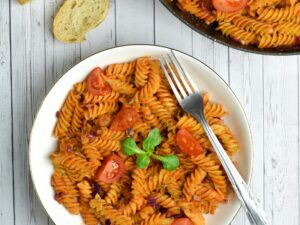
For tomato sauce, you can use both.
Start with dried oregano or thyme while the sauce cooks. Then add fresh basil near the end.
That gives you two layers of flavor: depth from the dried herbs and freshness from the basil.
Roast Chicken
Rosemary and thyme work well in both forms.
You can rub the chicken with dried herbs before roasting, or use fresh sprigs alongside the chicken.
Soup
Dried herbs are convenient during the simmering stage.
Fresh parsley, cilantro, dill, or basil can be added toward the end to give the soup a fresher finish.
Pesto
Use fresh basil.
Pesto depends heavily on the aroma, color, and character of fresh basil, so dried basil isn’t a practical substitute for the classic version.
Salad
Choose fresh herbs.
Parsley, cilantro, mint, basil, and dill can add an entirely different dimension to a simple salad.
Pizza
Dried oregano is an easy pantry option, particularly when you want a concentrated herbal flavor. Fresh basil can be added after baking for a brighter finish.
Fresh vs Dried Herb Recipe Comparison
Fresh Herb Recipe: Simple Basil Pesto
| Ingredient | Amount |
|---|---|
| Fresh basil | 2 cups |
| Parmesan cheese | ½ cup |
| Pine nuts | ¼ cup |
| Garlic | 1–2 cloves |
| Olive oil | ½–¾ cup |
| Salt | To taste |
Blend the ingredients until you reach your preferred consistency.
The important ingredient here is the fresh basil. Its aroma and color are a major part of what makes pesto taste like pesto.
Dried Herb Recipe: Mediterranean Roasted Vegetables
| Ingredient | Amount |
|---|---|
| Mixed vegetables | 4 cups |
| Olive oil | 2 tablespoons |
| Dried oregano | 1 teaspoon |
| Dried thyme | ½ teaspoon |
| Garlic | 2 cloves |
| Salt | To taste |
| Black pepper | To taste |
Toss everything together and roast until the vegetables are tender and browned.
Here, dried herbs are practical because their concentrated flavor spreads over the vegetables during roasting.
Fresh + Dried Herb Recipe: Tomato Pasta Sauce
| Ingredient | Amount |
|---|---|
| Tomatoes | 2 cups |
| Olive oil | 2 tablespoons |
| Dried oregano | 1 teaspoon |
| Garlic | 2 cloves |
| Fresh basil | ½ cup |
| Salt | To taste |
| Black pepper | To taste |
Start with the dried oregano while the sauce cooks. Add fresh basil toward the end.
This combination demonstrates why you don’t have to choose exclusively between fresh and dried herbs.
How to Store Fresh Herbs
Fresh herbs need more attention than dried herbs.
When you bring them home, keep them away from excessive moisture and direct light. Depending on the herb, refrigeration or keeping the stems hydrated can help extend their useful life.
University of Minnesota Extension recommends keeping harvested herbs away from bright light and drying excess surface moisture after washing.
Signs Your Fresh Herbs Have Gone Bad
Check for:
- Slimy leaves
- Mold
- Strong unpleasant odors
- Extensive browning
- Severe decay
If you see mold or obvious spoilage, don’t try to rescue the affected portion.
How to Store Dried Herbs
Dried herbs are much easier to manage.
Keep them in:
- Airtight containers
- A cool location
- A dry pantry
- A dark area away from sunlight
- A location away from the stove and other heat sources
University extension guidance recommends airtight containers and storage away from heat and bright light.
How Long Do Dried Herbs Last?
Dried herbs don’t suddenly become unusable on a specific date. Their quality gradually declines.
Over time, they lose aroma and flavor, meaning you may need more of an old herb to get the same result.
A simple test is to smell the herb before using it. If the aroma is barely noticeable, your dish probably won’t benefit much from it.
Common Mistakes When Using Fresh and Dried Herbs
Using Fresh and Dried Herbs in Equal Amounts
This is one of the easiest mistakes to make.
If you replace 1 tablespoon of fresh oregano with 1 tablespoon of dried oregano, you could end up with an overpowering dish.
Start with the approximate 3:1 fresh-to-dried ratio instead.
Adding Delicate Fresh Herbs Too Early
Basil, cilantro, parsley, and similar delicate herbs can lose their fresh character during prolonged cooking.
Save some for the end when possible.
Using Old Dried Herbs
That forgotten jar at the back of your cabinet may still be usable, but it may have very little flavor left.
Smell it before you add it.
Assuming Every Herb Has the Same Conversion
The 3:1 ratio is a starting point, not a mathematical rule.
Strong herbs and mild herbs behave differently, so taste and adjust.
Fresh vs Dried Herbs: Pros and Cons
| Factor | Fresh Herbs | Dried Herbs |
|---|---|---|
| Flavor | Bright and aromatic | Concentrated |
| Texture | Yes | Minimal |
| Shelf life | Shorter | Longer |
| Convenience | Requires preparation | Very convenient |
| Storage | More demanding | Easy |
| Availability | Can be seasonal | Usually year-round |
| Best for | Fresh dishes and finishing | Cooked dishes |
| Preparation | Washing/chopping often required | Ready to use |
How to Choose Between Fresh vs Dried Herbs
Use fresh herbs when:
- You’re making a salad.
- You’re preparing pesto.
- You’re finishing a sauce.
- You want a bright aroma.
- You need fresh color and texture.
- The herb is a major part of the dish.
Use dried herbs when:
- You’re making soup.
- You’re cooking a stew.
- You’re roasting vegetables.
- You’re preparing a long-simmered sauce.
- You need something convenient.
- Fresh herbs aren’t available.
Use both when you want depth and freshness at the same time.
For example, dried oregano can build flavor in a tomato sauce while fresh basil gives the finished sauce a brighter character.
Frequently Asked Questions About Fresh vs Dried Herbs
Is fresh or dried better for cooking?
Neither is universally better. Fresh herbs are generally ideal when you want brightness, aroma, color, or texture. Dried herbs are especially useful for longer cooking and concentrated seasoning.
What is the difference between fresh vs dried herbs?
Fresh herbs contain much more moisture and usually have a brighter, more delicate character. Dried herbs have had moisture removed and are more concentrated by volume.
How much dried herb equals fresh?
A common starting point is 1 teaspoon of dried herb for every 1 tablespoon of fresh herb. This is approximately a 1:3 dried-to-fresh ratio.
Can you substitute dried herbs for fresh herbs?
Yes. In many cooked recipes, dried herbs can replace fresh herbs. Start with about one-third of the amount called for and adjust according to taste.
Are dried herbs stronger than fresh herbs?
They’re more concentrated by volume because most of their moisture has been removed. However, drying can change the flavor, so “stronger” doesn’t always mean they taste exactly the same.
Should you add fresh herbs at the beginning or end of cooking?
For delicate herbs, adding them toward the end usually helps preserve their fresh character. Robust herbs such as rosemary and thyme can tolerate longer cooking.
Can you use fresh and dried herbs together?
Absolutely. Using dried herbs during cooking and fresh herbs near the end is an excellent way to build layered flavor.
Do dried herbs expire?
They gradually lose quality and flavor. Proper storage helps preserve them, but old herbs may become too weak to contribute much flavor. USDA guidance distinguishes quality decline from food-safety issues for shelf-stable foods; proper storage still matters.
Final Verdict: Fresh vs Dried Herbs — Which Should You Choose?
The answer to fresh vs dried herbs isn’t about picking a permanent winner.
Think of fresh herbs as your tool for brightness, aroma, freshness, color, and texture.
Think of dried herbs as your tool for convenience, concentrated seasoning, pantry storage, and long cooking.
Once you understand that difference, choosing becomes much easier.
Making a fresh salad? Reach for the parsley, cilantro, basil, or mint.
Cooking a stew for an hour? Your dried thyme, oregano, or rosemary may be exactly what you need.
Making tomato sauce? Use both.
And when a recipe calls for one form but you only have the other, remember the basic starting point: about 1 part dried herb for every 3 parts fresh herb, then taste and adjust.
The best way to improve your cooking is not to memorize hundreds of rules. It’s to understand what each ingredient contributes and make small adjustments based on the dish in front of you.
Try it yourself: the next time you make one of your favorite recipes, prepare it once with dried herbs and another time with fresh herbs. Pay attention to the aroma, flavor, texture, and finish. You may be surprised by how much difference a simple herb choice can make.