
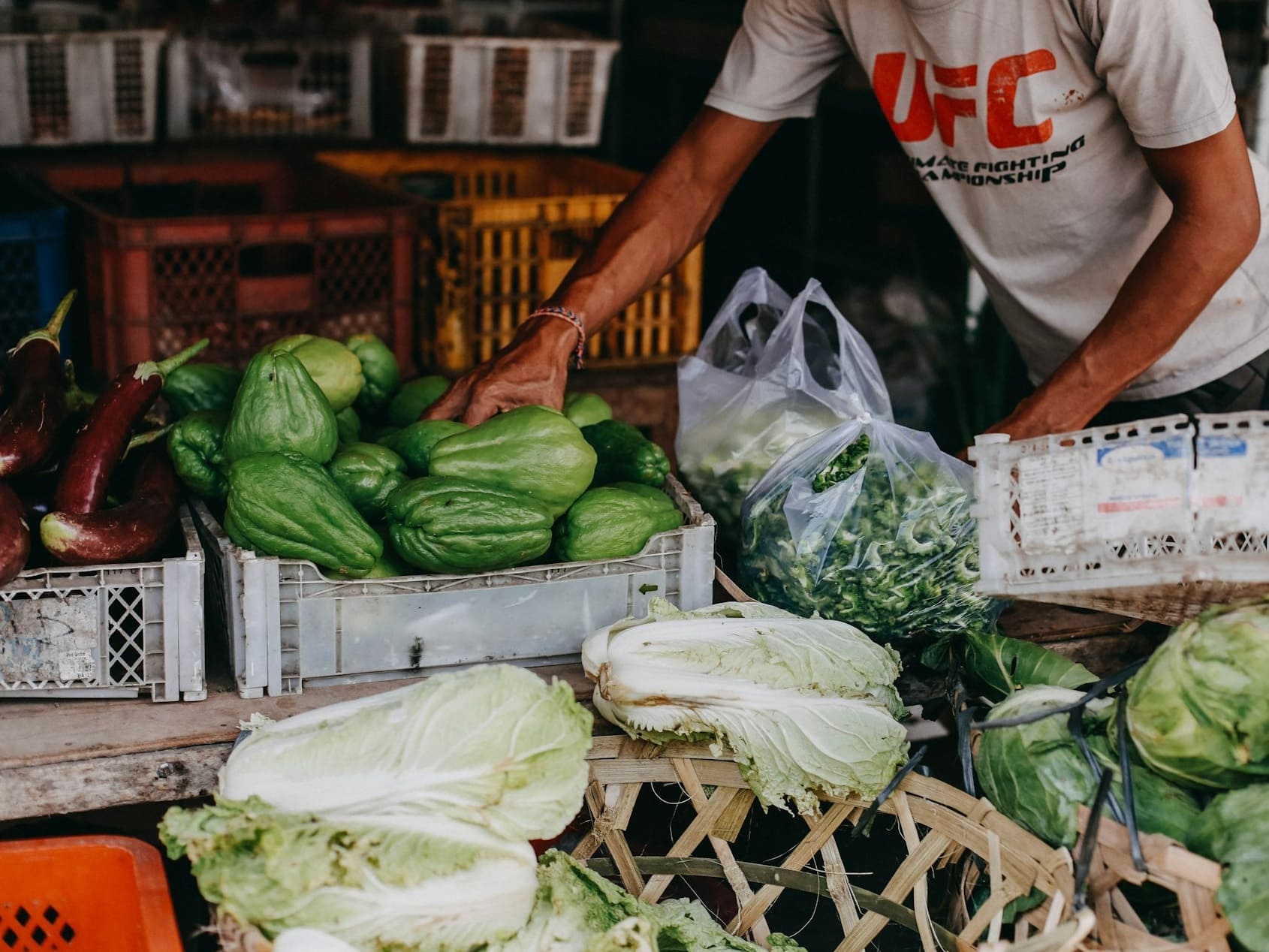
Choosing vegetables shouldn’t come down to grabbing whichever tomato looks reddest or whichever head of broccoli is biggest.
Different vegetables show freshness in different ways. Leafy greens should look crisp rather than slimy, carrots should feel firm rather than rubbery, broccoli should have compact florets, and onions should feel firm beneath dry outer skins.
A better produce-shopping habit is to combine several clues—color, firmness, surface condition, smell, weight, and what you actually plan to cook—instead of judging everything by appearance alone.
Fresh Vegetable Shopping Cheat Sheet
| Vegetable | Look For | Think Twice If You See |
|---|---|---|
| Lettuce | Crisp, hydrated leaves | Slime, extensive browning, severe wilting |
| Spinach | Fresh-looking green leaves | Yellowing, slime, heavy wilting |
| Carrots | Firm texture, relatively smooth skin | Rubberiness, severe shriveling, softness |
| Potatoes | Firm texture | Soft/rotten areas, significant greening |
| Tomatoes | Appropriate firmness for when you’ll use them | Leaking, mold, major bruising |
| Bell peppers | Firm, relatively heavy, smooth skin | Soft spots, extensive wrinkles |
| Eggplant | Smooth, shiny skin; firm with slight give | Shriveling, excessive softness |
| Broccoli | Firm stems, compact florets | Extensive yellowing, badly wilted florets |
| Cauliflower | Firm, compact head | Mold, deterioration, extensive dark areas |
| Cabbage | Firm and heavy for its size | Rotten or excessively dried leaves |
| Onions | Firm with dry outer skin | Moisture, soft areas, mold |
| Garlic | Firm bulb, dry outer skin | Significant softness or deterioration |
1. Check the Natural Color
Start with the color you would normally expect from that vegetable.
You aren’t looking for cosmetic perfection. You’re looking for a healthy, characteristic appearance without extensive discoloration associated with declining quality.
For example, widespread yellowing in leafy greens or broccoli deserves more attention than a tiny superficial mark on an otherwise firm vegetable.
A small blemish isn’t automatically a reason to reject produce.
Minor cosmetic imperfection ≠ spoilage.
2. Pick It Up and Check the Firmness
Touch is one of your most useful tools in the produce aisle.
Carrots, potatoes, peppers, cabbage, onions, radishes, and many other vegetables should feel appropriately firm.
Be cautious when something that should normally be firm feels:
- Extremely soft
- Mushy
- Slimy
- Severely shriveled
- Unusually light or dehydrated
But don’t apply the same firmness test to everything.
A tomato you intend to eat today naturally has more give than a fresh carrot.
The question isn’t simply “Is it hard?”
It’s “Does this feel right for this vegetable and the ripeness I need?”
3. Inspect More Than the Side Facing You
Rotate individual vegetables when practical.
Check for:
- Mold
- Deep cuts
- Significant bruising
- Leaking
- Soft spots
- Decaying areas
Packaged vegetables deserve the same treatment.
A bag of spinach may look excellent from the front while deteriorating leaves and excess moisture collect underneath.
Look through the sides and bottom before putting it in your cart.
4. Don’t Confuse Ugly With Spoiled
A carrot with an unusual shape isn’t necessarily old.
A pepper with a superficial mark isn’t automatically unusable.
And vegetables don’t need to resemble advertising photography to be worth buying.
Distinguish cosmetic imperfections from warning signs such as mold, slime, leaking tissue, substantial decay, or strong unpleasant odors.
This can help you avoid rejecting perfectly usable produce just because it isn’t visually flawless.