
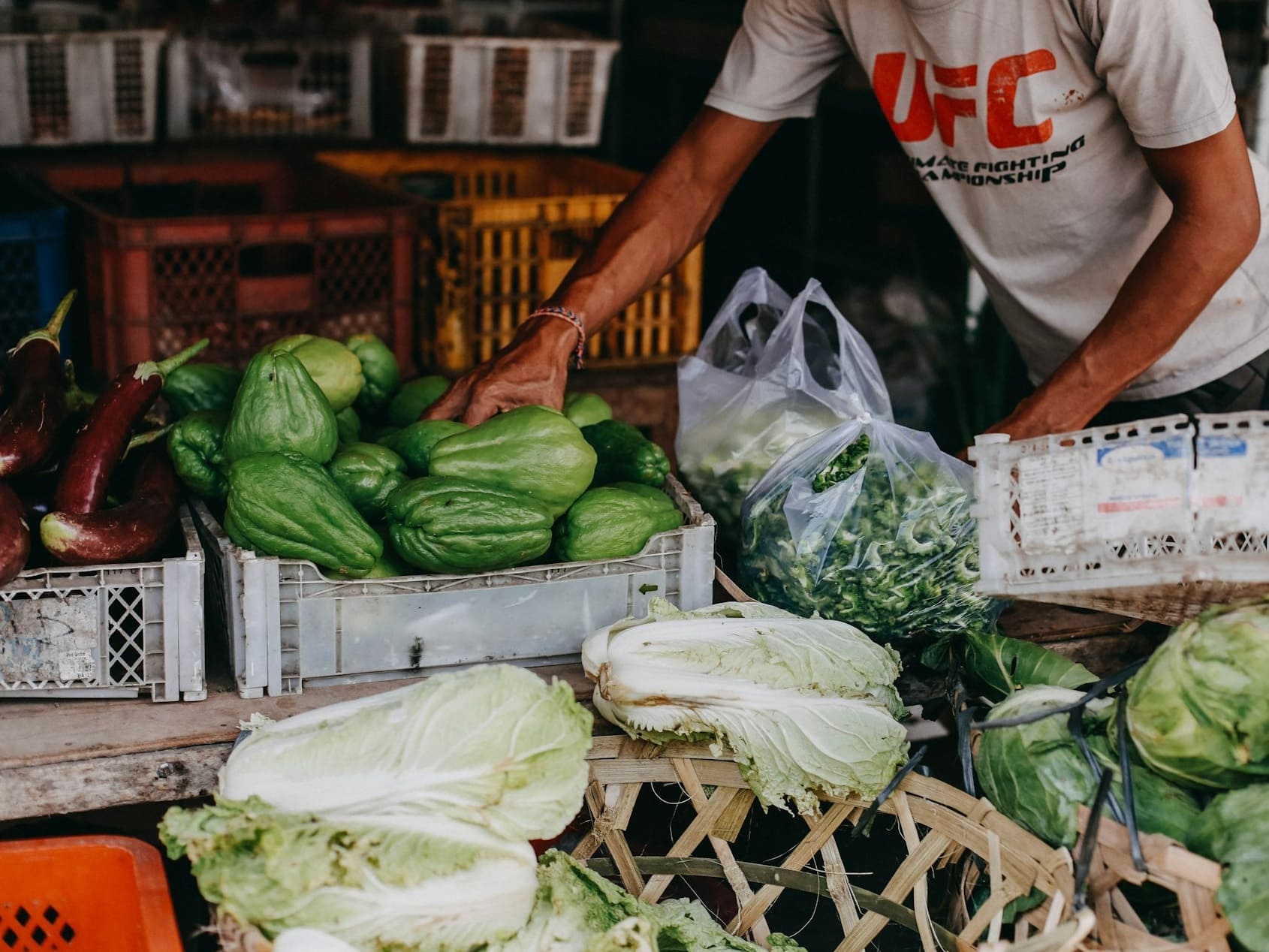
5. Be Pickier With Leafy Greens
Leafy vegetables can deteriorate relatively quickly, so inspect them carefully.
Lettuce
Look for crisp, hydrated-looking leaves.
Avoid heads or packages with widespread slime, severe wilting, substantial browning, or obvious decay.
Spinach
Look through the package rather than checking only the leaves at the top.
Fresh spinach should appear hydrated rather than slimy or heavily wilted.
Yellowing and damaged leaves scattered throughout the package can indicate declining quality.
Kale and Similar Greens
Look for sturdy-looking leaves and stems without extensive deterioration.
A few imperfect leaves aren’t necessarily a problem. A package containing a substantial amount of decaying material is different.
6. Use Firmness for Root Vegetables
Root vegetables are often easier to judge by touch.
Carrots
Choose carrots that feel firm.
Severely shriveled, rubbery, or unusually soft carrots have already lost some of the qualities you’re probably shopping for.
If carrots still have their tops attached, the condition of the greens can provide another clue about their overall quality.
Beets and Radishes
Look for firm vegetables with reasonably intact skin.
Severe shriveling, softness, or major damage are better reasons to choose another bunch than an unusual shape.
7. Check Potatoes for More Than Soft Spots
Choose potatoes that feel firm and aren’t showing obvious rot.
Pay particular attention to green areas.
FDA guidance explains that green color on a potato can indicate an increase in glycoalkaloids such as solanine, and advises avoiding green potatoes or cutting away green portions. Sprouts and damaged areas should also be removed before cooking.
FDA guidance on selecting and serving produce safely
For a simple shopping decision, heavily greened, extensively sprouted, soft, or deteriorating potatoes are easy candidates to leave behind.
8. Choose Tomatoes Based on When You’ll Eat Them
The best tomato for tonight isn’t necessarily the best tomato for later in the week.
For immediate use, you may prefer a ripe tomato with some appropriate give.
If you won’t use it for several days, a firmer tomato may suit your plan better.
Regardless of ripeness, avoid tomatoes showing:
MOLD → LEAKING → MAJOR BRUISING → EXTREME SOFTNESS
This is a good example of why shopping for vegetables should begin with your meal plan rather than a universal “firmest is always freshest” rule.
9. Look for Firm, Smooth Bell Peppers
A good bell pepper should generally feel firm and relatively heavy for its size.
Look for healthy-looking skin without extensive wrinkles or soft areas.
Minor cosmetic variation isn’t particularly important if the pepper otherwise feels sound.
For raw dishes, prioritize especially crisp peppers.
For something you’ll roast or cook thoroughly, a small superficial imperfection may matter much less.
10. Check Eggplant for Smooth Skin and Gentle Give
Eggplant shouldn’t feel rock-hard, but it shouldn’t collapse under light pressure either.
Look for:
SMOOTH SKIN + HEALTHY SHINE + FIRM TEXTURE + SLIGHT GIVE
Extensive shriveling, bruising, or very soft areas suggest that quality is declining.