You have probably stood in the produce aisle wondering whether fresh broccoli is really better than the frozen bag a few aisles away. Fresh vegetables may feel healthier, while frozen vegetables often seem like a backup. But the truth about fresh vs frozen vegetables is more useful than that simple comparison.
Both options belong in your kitchen. The better choice depends on how you plan to use the vegetables, the texture you want, your budget, and how much food waste you want to avoid. Once you know where each performs best, shopping becomes easier and meals become more flexible.
Fresh vs Frozen Vegetables: What Is the Difference?
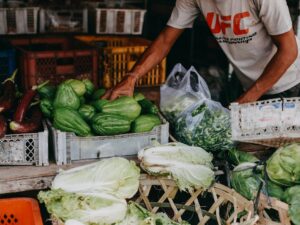
Fresh vegetables are sold without being frozen and may reach you shortly after harvest or after several days of transportation and storage. Their quality depends on the season, handling, temperature, and the time between harvest and eating.
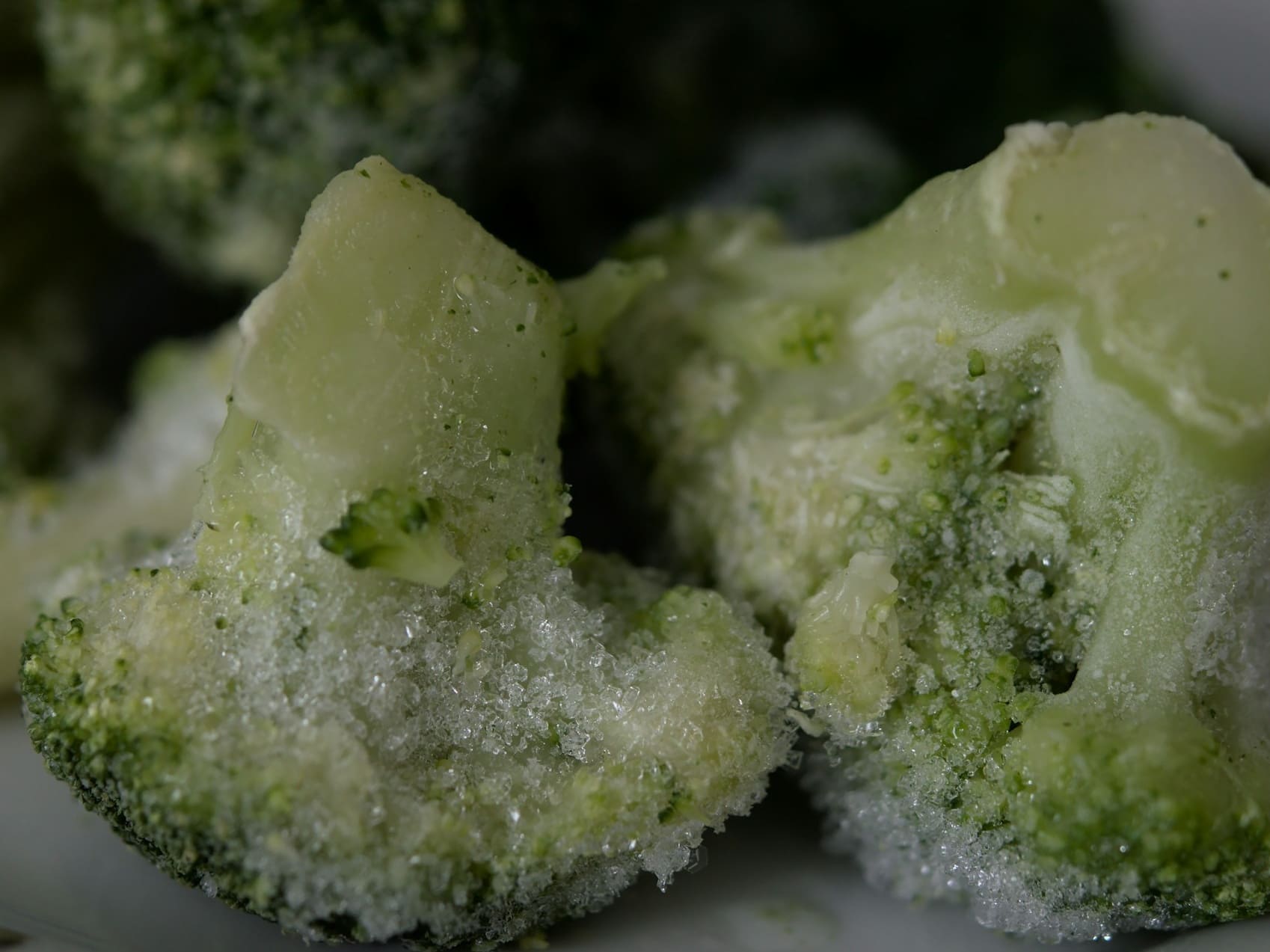
Frozen vegetables are usually harvested, cleaned, trimmed, briefly blanched, and quickly frozen. Blanching helps preserve quality, although it can reduce some heat-sensitive or water-soluble nutrients.
Here is a practical comparison:
| Factor | Fresh Vegetables | Frozen Vegetables |
|---|---|---|
| Shelf life | Usually shorter | Usually much longer |
| Preparation | May need washing and chopping | Often pre-cut |
| Texture | Usually firmer | Can become softer |
| Convenience | Moderate | High |
| Availability | Can be seasonal | Available year-round |
| Food waste | Higher if forgotten | Easier to portion |
| Best uses | Salads, raw dishes, grilling | Soups, curries, casseroles |
Fresh vs Frozen Vegetables Nutrition: Which Is Healthier?
If you are asking whether frozen vegetables are healthy, the reassuring answer is that both fresh and frozen vegetables can provide valuable vitamins, minerals, fiber, and plant compounds.
Fresh produce can be highly nutritious, especially when you eat it soon after harvest. However, nutrients do not remain completely unchanged during transportation and storage. Some vitamins, particularly vitamin C, can gradually decline over time.
Frozen vegetables have an advantage here. They are often frozen relatively soon after harvesting, which helps slow nutrient loss. Blanching before freezing can reduce certain nutrients, but freezing can preserve many others well.
Health authorities such as the USDA and Harvard T.H. Chan School of Public Health encourage eating a wide variety of vegetables. The bigger issue is usually whether you eat enough vegetables overall, not whether every serving is fresh.
Are Frozen Vegetables as Healthy as Fresh?
They can be. The exact nutritional difference depends on the vegetable, storage time, processing method, and cooking technique.
For example:
- Fresh vegetables eaten quickly may retain excellent nutrient levels.
- Fresh vegetables stored for many days may lose some sensitive vitamins.
- Frozen vegetables may lose some nutrients during blanching.
- Minerals and fiber generally remain relatively stable.
- Cooking method can influence nutrients in both fresh and frozen vegetables.
So, rather than looking for a single winner, choose the form that helps you eat vegetables consistently.
When Fresh Vegetables Are the Better Choice
Fresh vegetables usually win when texture, appearance, and raw flavor are central to the meal.
Choose Fresh Vegetables for Raw Dishes
If you are making a crisp salad, vegetable platter, sandwich, wrap, or fresh salsa, fresh produce is usually the better option.
Vegetables that shine when fresh include:
- Lettuce and leafy greens
- Cucumbers
- Tomatoes
- Radishes
- Bell peppers
- Celery
- Carrots
Freezing changes the structure of vegetables because water inside their cells forms ice crystals. Once thawed, high-water vegetables can become softer. That is why a frozen cucumber will not give your salad the same crunch as a fresh one.
Use Fresh Produce When Texture Matters
Fresh vegetables are also useful for recipes where you want browning, firmness, or an attractive presentation. Think grilled zucchini, roasted asparagus, colorful vegetable skewers, or crunchy slaw.
When Frozen Vegetables Are the Better Choice
Frozen vegetables become especially useful when convenience matters more than perfect raw texture.
You can keep them for weeks or months, take only what you need, and return the rest to the freezer. That makes them ideal for busy evenings and last-minute meals.
Best Uses for Frozen Vegetables
Frozen produce works particularly well in:
- Soups and stews
- Curries
- Pasta dishes
- Stir-fries
- Casseroles
- Omelets and frittatas
- Fried rice
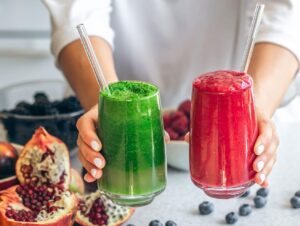
- Smoothies
Broccoli, peas, spinach, corn, green beans, and mixed vegetables are especially useful freezer staples.
Best Frozen Vegetables to Keep at Home
Frozen peas cook quickly and can be tossed into pasta, risotto, soup, or rice. Frozen spinach is useful for lasagna, sauces, dips, and smoothies. Frozen broccoli works well in casseroles, soups, and stir-fries, while frozen corn adds sweetness to tacos, rice dishes, and soups.
Mixed vegetables make it easy to add variety without washing, peeling, and chopping everything separately.
How to Cook Frozen Vegetables Without Making Them Soggy
Poor cooking technique is often the reason frozen vegetables develop a bad reputation.
Do Not Thaw Everything First
Many frozen vegetables can go directly from the freezer into a hot pan, soup, stew, or roasting tray. Thawing them first may release extra water and make them softer.
Use Enough Heat
A hot skillet helps moisture evaporate instead of collecting around the vegetables. Avoid overcrowding the pan because crowded vegetables steam rather than brown.
For better texture:
- Preheat your pan.
- Cook in batches when necessary.
- Avoid adding too much sauce immediately.
- Do not cook vegetables longer than needed.
- Finish with herbs, lemon juice, garlic, or seasoning.
A Small Texture Tip
If you are using frozen spinach in lasagna, dips, or stuffed recipes, thaw it and squeeze out excess water first. In these dishes, removing moisture matters more than keeping the spinach crisp.
Fresh vs Frozen Vegetables: Which Is Cheaper?
Price depends on location, season, and the vegetable. Fresh produce can be affordable in season, while frozen vegetables may offer better value when fresh produce is expensive or likely to spoil.
Think beyond the shelf price. A fresh vegetable may include stems, peels, leaves, or damaged portions that you discard. Frozen vegetables are often already cleaned and trimmed, so most of what you buy is usable.
They can also reduce food waste because you only pour out the quantity you need.
Fresh vs Frozen Vegetables and Food Waste
If you regularly find wilted spinach or forgotten carrots at the back of your refrigerator, frozen vegetables can help you waste less food.
You can reduce waste by:
- Eating delicate fresh vegetables first.
- Buying only the fresh produce you expect to use.
- Keeping frozen vegetables for backup meals.
- Planning dishes around vegetables already in your refrigerator.
- Freezing suitable fresh vegetables before they spoil.
Keeping both types gives you more flexibility.
Recipe 1: Quick Frozen Vegetable Stir-Fry
Ingredients
| Ingredient | Amount |
|---|---|
| Frozen mixed vegetables | 3 cups |
| Olive oil | 1 tablespoon |
| Garlic | 2 cloves |
| Fresh ginger | 1 teaspoon |
| Soy sauce | 2 tablespoons |
| Cooked rice | 2 cups |
Instructions
Heat a large skillet over medium-high heat. Add the oil, followed by the frozen vegetables. Cook until the released moisture begins to evaporate. Add garlic and ginger, then stir in the soy sauce. Cook briefly and serve over warm rice.
Why Frozen Works Here
High heat cooks the vegetables quickly, while the mixed bag saves you several minutes of chopping.
Recipe 2: Fresh Mediterranean Vegetable Salad
Ingredients
| Ingredient | Amount |
|---|---|
| Tomatoes | 2 |
| Cucumber | 1 |
| Bell pepper | 1 |
| Red onion | 1/2 |
| Olive oil | 2 tablespoons |
| Lemon juice | 1 tablespoon |
| Fresh herbs | To taste |
Instructions
Chop the vegetables into bite-sized pieces. Combine them in a bowl, add olive oil and lemon juice, season with herbs, salt, and pepper, then serve.
Fresh vegetables work best here because the dish depends on crunch, aroma, color, and firm texture.
Fresh vs Frozen Vegetables: Simple Decision Guide
Choose fresh vegetables when:
- You are eating them raw.
- Crunch is important.
- Appearance matters.
- The produce is in season.
- You will use it within a few days.
Choose frozen vegetables when:
- You need a fast meal.
- The vegetables will be cooked.
- You want longer storage.
- You want to reduce waste.
- Fresh produce is expensive or unavailable.
Choose either for soup, curry, pasta, smoothies, rice dishes, and many casseroles.
FAQ About Fresh vs Frozen Vegetables
Are fresh vs frozen vegetables equally healthy?
Both can be nutritious. Nutrient levels depend on harvesting, processing, storage, and preparation, so neither form is automatically superior in every situation.
Are frozen vegetables as healthy as fresh vegetables?
Often, yes. Frozen vegetables can retain many nutrients well, while fresh produce may lose some sensitive vitamins during extended storage.
Is it okay to eat frozen vegetables every day?
Plain frozen vegetables can be part of your regular diet. Choose different vegetables throughout the week so you get a wider range of nutrients and flavors.
Should you thaw frozen vegetables before cooking?
Usually not. Peas, corn, broccoli, green beans, and mixed vegetables can often be cooked directly from frozen. Recipes such as dips or lasagna may benefit from thawing and draining first.
Which frozen vegetables are best to keep at home?
Broccoli, peas, spinach, corn, green beans, and mixed vegetables are versatile choices that work across many quick meals.
Conclusion: Fresh vs Frozen Vegetables Do Not Need a Winner
The fresh vs frozen vegetables debate is simpler when you stop asking which is universally better. Fresh vegetables excel when you want crunch, raw flavor, or seasonal produce. Frozen vegetables excel when you need convenience, long storage, and less waste.
That balance also means you can plan meals around flavor and practicality instead of feeling pressured to choose one format every time you shop for fresh vegetables.
Your most practical strategy is to use both. Keep fresh greens, tomatoes, cucumbers, and peppers for salads and raw dishes, then stock your freezer with broccoli, spinach, peas, corn, and mixed vegetables for cooked meals.
The best vegetables are the ones that make it onto your plate instead of being forgotten in the refrigerator. Next time you shop, try building your basket with a mix of fresh and frozen options, then share which vegetables you always prefer fresh and which ones you never regret buying frozen.