
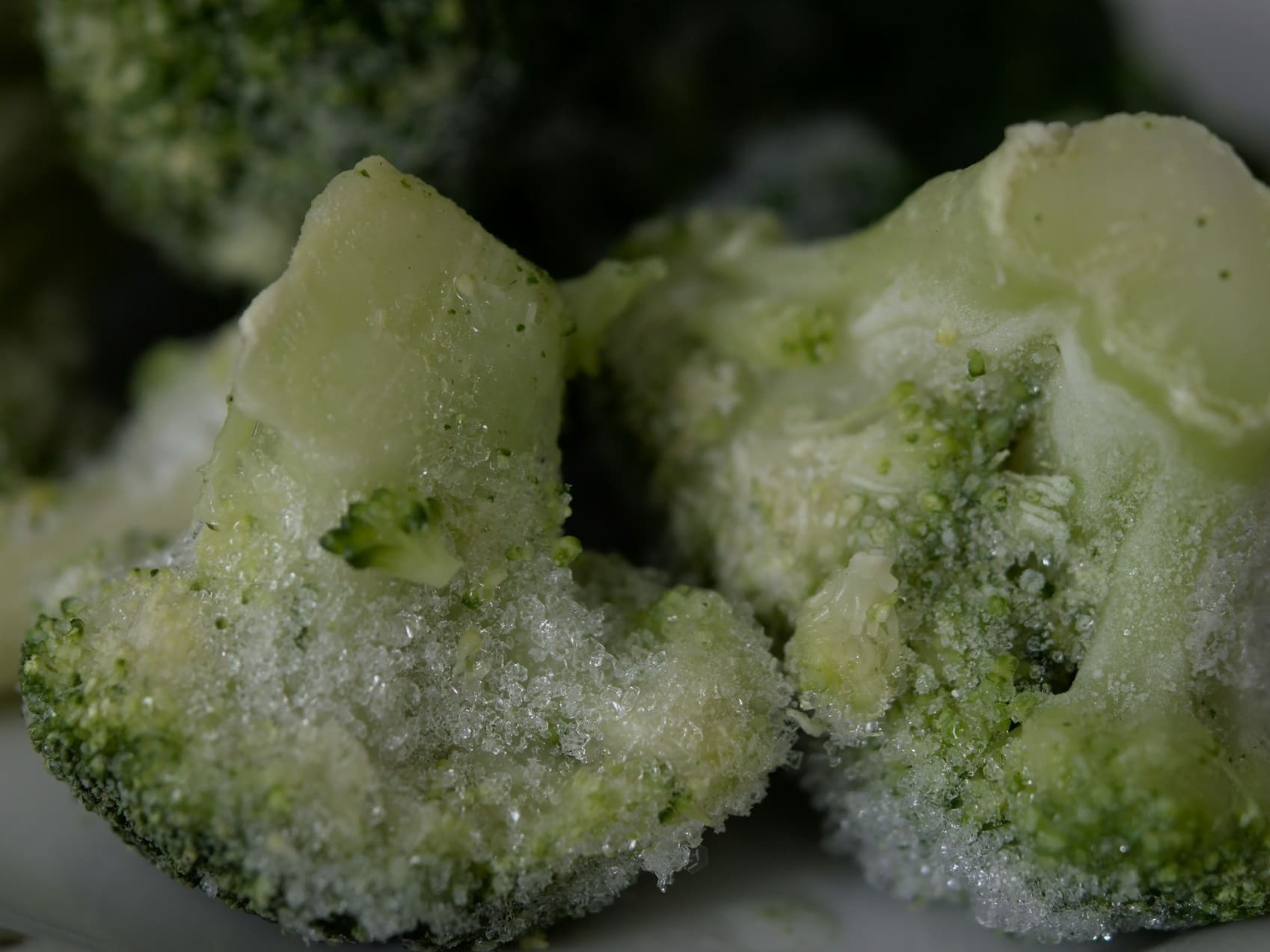
Fresh vs Frozen Vegetables for Different Meals
Here’s a more useful comparison than trying to declare one type universally superior.
| Meal | Fresh | Frozen | Better Starting Choice |
|---|---|---|---|
| Raw salad | ✓ | — | Fresh |
| Vegetable platter | ✓ | — | Fresh |
| Crunchy slaw | ✓ | — | Fresh |
| Grilled vegetable skewers | ✓ | Sometimes | Usually fresh |
| Soup | ✓ | ✓ | Either |
| Stew | ✓ | ✓ | Either |
| Curry | ✓ | ✓ | Either |
| Casserole | ✓ | ✓ | Either |
| Fried rice | ✓ | ✓ | Either |
| Quick weeknight stir-fry | ✓ | ✓ | Either |
| Lasagna with spinach | ✓ | ✓ | Either |
| Smoothie | ✓ | ✓ | Depends on vegetable |
| Omelet/frittata | ✓ | ✓ | Either |
The question isn’t simply “Can frozen vegetables be used?”
It’s whether the texture difference matters in that particular dish.
Which Is Cheaper: Fresh or Frozen Vegetables?
There’s no universal answer.
Prices change according to:
- Vegetable
- Season
- Location
- Store
- Package size
- Promotions
- Availability
Fresh vegetables can be inexpensive when they’re abundant and in season.
Frozen vegetables may provide better value when the fresh equivalent is expensive, out of season, or likely to spoil before you use it.
Compare Usable Food, Not Just the Sticker Price
Imagine buying a large amount of fresh broccoli but discarding part of it because you don’t use it in time.
Now compare that with a frozen bag where you cook exactly one portion and return the rest to the freezer.
The cheaper shelf price isn’t necessarily the cheaper option if a significant portion ends up in the trash.
Fresh vs Frozen Vegetables and Food Waste
This is where using both types becomes particularly practical.
Fresh produce gives you excellent texture, but delicate vegetables can deteriorate relatively quickly.
Frozen vegetables give you a backup.
A simple strategy is:
Eat first
Delicate fresh produce you already have.
Eat next
More durable fresh vegetables.
Keep for later
Frozen vegetables that can become part of quick cooked meals.
If you frequently discover forgotten produce at the back of your refrigerator, you may simply be buying more fresh vegetables than your normal cooking schedule can handle.
Buying some vegetables frozen can solve that problem without requiring you to stop buying fresh produce entirely.
Recipe 1: Quick Frozen Vegetable Stir-Fry
This is a good example of a dish where convenience matters more than perfect raw texture.
Ingredients
- 3 cups frozen mixed vegetables
- 1 tablespoon olive oil or another suitable cooking oil
- 2 garlic cloves, minced
- 1 teaspoon fresh ginger, grated
- 2 tablespoons soy sauce
- 2 cups cooked rice
Instructions
Heat a large skillet over medium-high heat.
Add the oil, then add the frozen vegetables.
Cook while allowing the moisture released by the vegetables to evaporate. Avoid overcrowding the pan if you’re making a larger batch.
Once the vegetables are hot and approaching your preferred texture, add the garlic and ginger.
Cook briefly until aromatic, taking care not to burn the garlic.
Add the soy sauce and toss.
Serve over warm rice.
Why Frozen Works Here
The vegetables are being cooked anyway, and the frozen mix eliminates most of the washing and chopping.
High heat and moisture control matter more than whether the vegetables started fresh or frozen.