There is a moment when you taste something you cooked at home and think, “It’s not bad, but it could be better.” You followed the recipe, used decent ingredients, and still ended up with a meal that tastes a little flat.
You don’t need to become a professional chef to fix that problem. In many cases, a few simple adjustments can completely change your food. Better seasoning, proper browning, fresh herbs, acidity, and the right cooking technique can turn an ordinary homemade meal into something you actually look forward to eating.
Here are practical cooking tips you can use every day.
1. Start With Better Ingredients
Your ingredients create the foundation of your meal. You don’t necessarily need expensive products, but freshness matters.
Fresh garlic, onions, herbs, vegetables, spices, and quality cooking oils can provide noticeably more aroma and flavor than ingredients that have been sitting around for too long.
For your pantry, keep a few reliable flavor boosters available:
- Olive oil or butter
- Fresh garlic and onions
- Tomato paste
- Chicken or vegetable stock
- Lemons
- Vinegar
- Parmesan
- Fresh and dried herbs
- Common spices such as paprika, cumin, and black pepper
When you have these basics available, you can improve a simple meal without making an extra trip to the store.
2. Learn to Season Your Food Properly
One of the most important cooking tips you can learn is to season gradually.
Salt doesn’t simply make food salty. Used correctly, it helps bring out the flavors already present in your ingredients. If your food tastes dull, the first thing you should do is taste it before automatically adding more ingredients.
Try this approach:
- Add a small amount of seasoning.
- Let the food cook.
- Taste it.
- Adjust gradually.
- Taste again before serving.
Don’t rely exclusively on salt, either. Black pepper, paprika, cumin, chili flakes, garlic powder, and fresh herbs can give your meals completely different personalities.
3. Balance Salt, Fat, Acid, and Heat
A dish can contain plenty of ingredients and still taste flat because its flavors aren’t balanced.
Think about these four elements:
| Flavor | Examples | Purpose |
|---|---|---|
| Salt | Salt, soy sauce | Enhances flavor |
| Fat | Butter, olive oil | Adds richness |
| Acid | Lemon, vinegar | Adds brightness |
| Heat | Chili, pepper | Adds intensity |
You can also introduce sweetness and umami when appropriate. A small amount of honey can balance acidity, while ingredients such as mushrooms, Parmesan, or soy sauce can add savory depth.
If your meal tastes “flat,” try adding a tiny amount of lemon juice or vinegar. You may be surprised by how quickly the flavors become more noticeable.
4. Master the Art of Browning
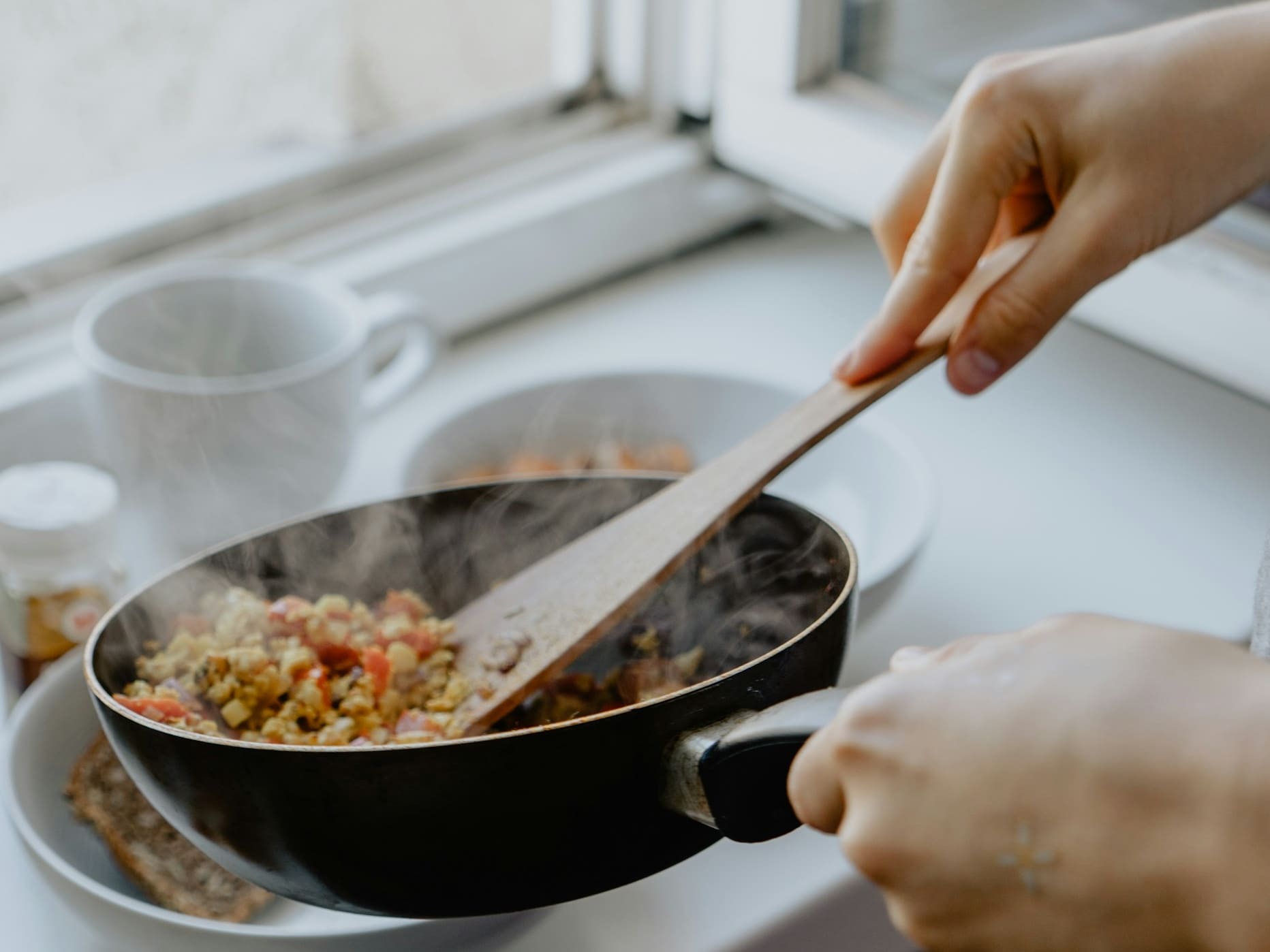
Browning is one of the easiest ways to add depth to homemade food.
When meat, mushrooms, potatoes, onions, and other ingredients develop a browned surface, chemical reactions create new aromas and flavors. This is commonly associated with the Maillard reaction.
To encourage good browning:
- Preheat your pan.
- Pat meat dry before cooking.
- Avoid overcrowding the pan.
- Give ingredients enough space.
- Don’t move food constantly.
- Allow a crust to develop before turning it.
If your chicken or vegetables look pale instead of golden-brown, your pan may be too crowded or not hot enough.
5. Build Flavor With Garlic and Onions
Garlic and onions are inexpensive, but they can completely change a meal.
Instead of throwing everything into the pan at once, give your aromatics time to develop flavor. Sauté onions until they become soft and lightly golden. Add garlic later so it doesn’t burn.
You can also experiment with different preparations:
- Sautéed onions create sweetness and savory flavor.
- Caramelized onions provide deeper sweetness.
- Roasted garlic becomes soft and mellow.
- Fresh garlic provides sharper intensity.
- Ginger adds warmth and freshness.
These simple ingredients can form the foundation of soups, sauces, rice dishes, meat recipes, and vegetables.
6. Use Herbs and Spices Strategically
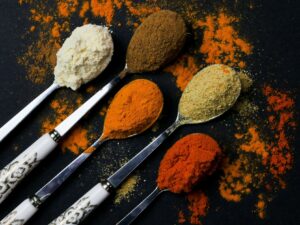
Spices aren’t just there to make food spicy. They create aroma, warmth, sweetness, earthiness, and complexity.
Try matching spices with the food you’re preparing. Cumin works beautifully with beans and roasted vegetables, paprika adds color and warmth to chicken and potatoes, while chili flakes can give pasta or soups some heat.
Fresh herbs are especially useful as finishing ingredients. Parsley, cilantro, basil, mint, dill, and chives can make a heavy or rich dish feel fresher.
You can also lightly toast certain spices before adding other ingredients. Gentle heating can release their aromas and make their flavor more noticeable.
7. Add Acid When Food Tastes Flat
If you’ve already seasoned your food and it still doesn’t taste right, acidity may be missing.
Keep ingredients such as these available:
- Lemon juice
- Lime juice
- White vinegar
- Apple cider vinegar
- Red wine vinegar
- Balsamic vinegar
- Yogurt
- Pickled vegetables
A squeeze of lemon can brighten grilled chicken or fish. A little vinegar can cut through a rich sauce. Yogurt can balance spicy dishes.
Start with a small amount. You can always add more, but too much acidity can overpower everything else.
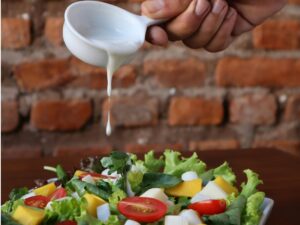
8. Make Simple Homemade Sauces
A good sauce can rescue an otherwise basic meal.
Easy Garlic Butter Sauce
| Ingredient | Amount |
|---|---|
| Butter | 3 tbsp |
| Minced garlic | 2 cloves |
| Lemon juice | 1 tsp |
| Fresh parsley | 1 tbsp |
| Black pepper | To taste |
| Salt | To taste |
Melt the butter over low heat, add the garlic, and cook until fragrant. Stir in lemon juice and parsley, then season to taste.
You can spoon this over chicken, vegetables, potatoes, seafood, or rice.
Quick Herb Sauce
| Ingredient | Amount |
|---|---|
| Olive oil | 4 tbsp |
| Fresh parsley | 2 tbsp |
| Lemon juice | 1 tbsp |
| Garlic | 1 clove |
| Black pepper | ¼ tsp |
| Salt | To taste |
Mix everything together and drizzle it over grilled meat, roasted vegetables, potatoes, or fish.
9. Control Your Cooking Temperature
Even a great recipe can fail if you use the wrong temperature.
High heat is useful for searing and creating browning. Medium heat works well for sautéing. Lower temperatures are better for gentle simmering and delicate sauces.
Overcooking is another common problem. Chicken can become dry, vegetables can turn mushy, and fish can lose its delicate texture.
Pay attention to the food rather than following the clock blindly. Recipes provide useful guidelines, but your pan, ingredients, and cooking equipment can behave differently.
10. Replace Water With Stock When Appropriate
One simple way to add flavor is to use stock or broth instead of plain water.
You can use it for:
- Rice
- Soups
- Stews
- Sauces
- Gravy
- Risotto
- Pasta dishes
For example, cooking rice with vegetable or chicken stock gives the grains a more developed savory flavor. Add garlic, onion, herbs, or a little butter, and you have a much stronger base for your meal.
11. Upgrade Everyday Foods
You don’t need complicated recipes to practice these techniques.
For rice, try stock, garlic, butter, herbs, or lemon zest.
For pasta, reserve some pasta water and use it to help combine your sauce with the noodles. Finish with Parmesan, fresh herbs, olive oil, or lemon.
For roasted vegetables, combine olive oil, salt, pepper, garlic, and paprika before roasting. Once they’re finished, add lemon juice or Parmesan.
Small changes like these can make familiar foods feel completely different.
12. Finish Your Food Properly
The final step is often overlooked.
Before serving, taste your dish one last time. Ask yourself:
- Does it need salt?
- Does it need acidity?
- Is it too rich?
- Does it need freshness?
- Could it benefit from more texture?
You can finish many meals with fresh herbs, lemon zest, freshly ground pepper, Parmesan, chili flakes, toasted nuts, or a drizzle of olive oil.
Texture matters too. Combining creamy, crispy, tender, and crunchy elements can make a meal much more enjoyable.
13. Avoid Common Cooking Mistakes
Several mistakes can make homemade food taste weaker than expected.
Mistake 1: You Don’t Taste While Cooking
If you only taste the food at the table, you lose the opportunity to correct it.
Mistake 2: You Overcrowd the Pan
Too many ingredients can cause steaming instead of browning.
Mistake 3: You Use Old Spices
Spices lose aroma and intensity over time. If they smell weak, they probably won’t contribute much flavor.
Mistake 4: You Add Too Much Seasoning at Once
Make small adjustments and taste between them.
Mistake 5: You Forget Acidity
Salt isn’t always the answer. Sometimes your dish needs lemon or vinegar instead.
14. Quick Cooking Tips for Better Meals
Keep these cooking tips in mind whenever you prepare food:
- Taste as you cook.
- Season gradually.
- Preheat your pan.
- Don’t overcrowd ingredients.
- Brown meat and vegetables properly.
- Keep spices fresh.
- Use fresh herbs.
- Add acid when flavors seem flat.
- Use stock when appropriate.
- Finish dishes with fresh ingredients.
- Pay attention to texture.
- Avoid overcooking proteins.
Frequently Asked Questions About Cooking Tips
What is the easiest way to make homemade food taste better?
Start by tasting your food and checking its seasoning. Then consider whether it needs salt, acidity, herbs, spices, fat, or umami. Small adjustments often make a bigger difference than adding many ingredients.
What cooking tips make food taste like a restaurant?
Focus on browning, seasoning, temperature control, sauces, texture, and finishing touches. Professional-looking food often comes down to technique rather than expensive ingredients.
Why does my homemade food taste bland?
Your food may lack salt, acidity, aromatics, spices, fat, or umami. Taste the dish carefully and identify which element is missing before making another adjustment.
How can you make food taste better without adding more salt?
Use lemon juice, vinegar, herbs, garlic, spices, Parmesan, mushrooms, toasted nuts, or other ingredients that add aroma and depth.
What are the most important cooking tips for beginners?
Learn to control heat, season gradually, taste your food, brown ingredients properly, and understand how salt, fat, acid, sweetness, and umami interact.
Conclusion
Making homemade food taste better doesn’t require complicated recipes or professional equipment. You can create more flavorful meals by mastering a handful of fundamental techniques.
Start with quality ingredients, season gradually, brown your food, use garlic and onions, add fresh herbs, balance rich flavors with acidity, and always taste before serving.
Most importantly, don’t be afraid to experiment. Your kitchen is where you learn what works. Pick one of these cooking tips the next time you prepare a meal and see how much difference a small change can make.
If you have a favorite technique for making homemade food taste better, share it with others and keep experimenting with new flavors.