14. Finish the Dish Before It Reaches the Table
The final 30 seconds of cooking can make a noticeable difference.
Before serving, taste the dish and ask:
Does it need seasoning?
Does it need acidity?
Is it too rich?
Does it need freshness?
Would contrasting texture improve it?
Depending on the food, finishing options might include:
- Lemon zest
- Lemon juice
- Fresh herbs
- Freshly ground black pepper
- Parmesan
- Chili flakes
- Toasted nuts or seeds
- Olive oil
- Crisp breadcrumbs
Don’t add all of them.
Choose the finishing ingredient that solves an actual problem.
15. Keep a Small “Flavor Toolkit” in Your Kitchen
Better everyday cooking becomes easier when you already have useful ingredients available.
You don’t need an enormous spice cabinet.
A practical toolkit might include:
Aromatics
- Garlic
- Onion
- Ginger
Acidity
- Lemons
- One or two useful vinegars
Fats
- Olive oil
- Butter
Savory ingredients
- Stock
- Tomato paste
- Parmesan
- Soy sauce
Seasonings
- Black pepper
- Paprika
- Cumin
- Chili flakes
- Garlic powder
Fresh finishing ingredients
- Parsley
- Cilantro
- Basil or another herb you regularly use
Choose ingredients according to the food you actually cook rather than buying twenty spices that will sit untouched for years.
How to Fix Food That Doesn’t Taste Right
Instead of starting over, identify the problem.
| If the Food Tastes… | Try Checking… |
|---|---|
| Bland | Salt/seasoning |
| Heavy | Acid or freshness |
| Too acidic | Fat, sweetness, dilution, or overall balance depending on the dish |
| One-dimensional | Aromatics, herbs, spices, umami |
| Watery | Reduction, excess liquid, cooking method |
| Greasy | Acid, portion of fat, emulsification |
| Too spicy | Overall balance; a suitable dairy/fat/starch component may help depending on the dish |
| Soft and monotonous | Crisp or crunchy element |
| Burnt | Usually can’t be fixed by additional seasoning; avoid incorporating badly burnt portions |
Make one adjustment at a time.
If you add salt, lemon, butter, Parmesan, chili, and herbs simultaneously, you won’t know which change actually helped—and it’s much easier to overshoot.
Three Everyday Foods You Can Improve With These Techniques
Plain Rice
Instead of relying exclusively on water and salt, consider a suitable stock, aromatics, herbs, or a finishing ingredient appropriate to the meal.
Try:
Rice + suitable stock + garlic + herbs + lemon zest
Roasted Vegetables
Give vegetables enough room on the baking sheet rather than piling them into a thick layer.
Season appropriately and roast until they develop color.
Then consider a finishing element such as lemon juice, Parmesan, herbs, or another ingredient that fits the dish.
Simple Pasta
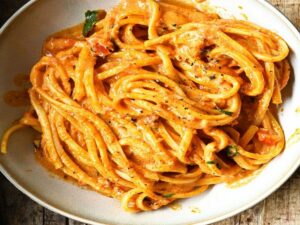
Cook the pasta appropriately, reserve some cooking water, and combine the pasta with the sauce before serving.
Adjust the consistency, then finish with an ingredient that contributes something useful—perhaps Parmesan, fresh herbs, black pepper, olive oil, or lemon.
Five Habits That Make the Biggest Difference
If 15 tips feel like too much to remember, start here:
1. Taste while you cook.
2. Season gradually.
3. Give food enough space to brown.
4. Check acidity when a dish tastes flat.
5. Taste and finish the dish immediately before serving.
Those five habits solve a surprising number of everyday cooking problems.
The goal isn’t to make homemade food taste “fancier.” It’s to understand what the food needs. When something tastes disappointing, don’t immediately reach for another handful of salt or a random seasoning. Check the seasoning, browning, acidity, aroma, temperature, and texture, then make the smallest adjustment that addresses the problem.