
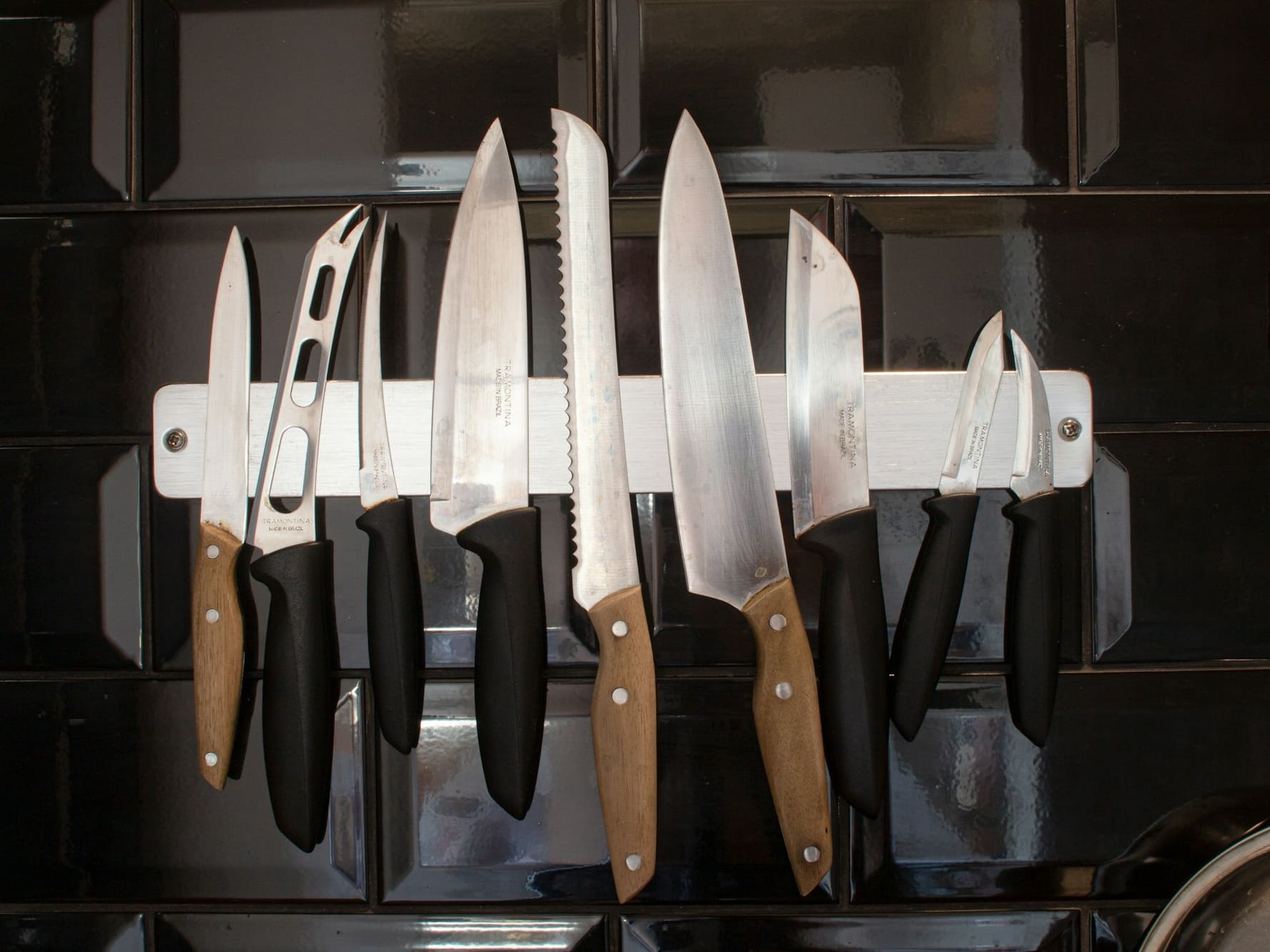
A good kitchen knife can become one of the most useful tools you own. When the blade is sharp and comfortable to use, chopping vegetables, slicing meat, and preparing dinner feels easier. But even a high-quality knife can lose its performance surprisingly quickly if you neglect basic maintenance.
The good news is that kitchen knife care is not complicated. You do not need expensive equipment or a complicated routine. By cleaning your knives correctly, drying them immediately, using the right cutting board, maintaining the edge, and storing them safely, you can keep your knives performing well for much longer.
Why Proper Kitchen Knife Care Matters
Your knife does more than cut food. Its blade is a precision surface that experiences repeated contact with ingredients and your cutting board. Poor habits can lead to dullness, stains, corrosion, scratches, or even damage to the handle.
Proper maintenance helps you:
- Preserve the knife’s cutting performance
- Reduce unnecessary blade wear
- Protect the handle and blade from moisture
- Keep your knives safer to use
- Extend the useful life of your kitchen tools
Manufacturers such as Victorinox and WÜSTHOF recommend regular cleaning, immediate drying, appropriate storage, and suitable cutting surfaces as part of routine knife maintenance.
The Basic Rules of Kitchen Knife Care
If you only remember a few things from this guide, make them these:
- Clean your knife after every use.
- Avoid leaving it soaking in the sink.
- Dry the blade immediately.
- Use a knife-friendly cutting board.
- Never use your kitchen knife as a pry bar or scraper.
- Maintain the edge through appropriate honing and sharpening.
- Store the knife where the blade cannot collide with other utensils.
These habits take very little time but can make a noticeable difference to your knife’s condition.
How to Clean Kitchen Knives Properly
Wash Your Kitchen Knife by Hand
For many quality kitchen knives, hand washing is the safest maintenance option. Start by rinsing the blade and removing food residue as soon as you finish using it.
Use:
- Warm water
- Mild dish soap when necessary
- A soft sponge or clean cloth
Keep your fingers away from the cutting edge while cleaning. Victorinox recommends cleaning knives promptly because salty or acidic foods can contribute to staining if they remain on the blade.
After washing, rinse away the soap and move directly to drying.
Should You Put Kitchen Knives in the Dishwasher?
Check your knife manufacturer’s instructions first. Some knives are labeled dishwasher-safe, but hand washing is often recommended for better long-term care.
A dishwasher exposes knives to high temperatures, detergents, moisture, and possible contact with other utensils. Large knives can also become damaged if they move around during a cycle. WÜSTHOF specifically recommends hand washing its knives rather than putting them in the dishwasher.
If your goal is maximum kitchen knife care, hand washing is the better default.
Dry Your Kitchen Knives Immediately
Cleaning your knife is only half the job. Leaving it wet can lead to water spots and, depending on the steel, corrosion.
After washing:
- Use a clean, soft towel.
- Carefully wipe the blade.
- Pay attention to the area around the handle.
- Make sure the entire knife is dry before storage.
Victorinox advises against simply allowing knives to air-dry because water deposits can leave marks on the blade.
You should also avoid leaving knives submerged in a sink. Apart from corrosion concerns, a knife hidden beneath soapy water creates an unnecessary safety hazard.
Choose the Right Cutting Board
Your cutting board is part of your knife-care routine. Every time you chop, the blade meets the surface underneath your food, so the material matters.
Best Cutting Boards for Kitchen Knives
Wood and plastic are commonly recommended options because they are generally more forgiving to knife edges than very hard surfaces. Victorinox recommends wooden or plastic boards and advises avoiding hard stone surfaces.
| Cutting Board | Knife Care | Main Consideration |
|---|---|---|
| Wood | Good | Requires regular cleaning and maintenance |
| Plastic | Good | Easy to clean and practical |
| Bamboo | Varies | Can be relatively hard |
| Glass | Poor | Can be harsh on knife edges |
| Stone | Poor | Very hard surface |
Avoid cutting directly on glass, stone, metal, or other extremely hard surfaces.
One useful habit is to avoid scraping chopped ingredients across the board with the cutting edge. Instead, turn the knife over and use the spine to move food. This helps protect the edge.
How to Hone Kitchen Knives
Honing vs. Sharpening
Honing and sharpening are not the same thing.
Honing is primarily used to maintain the existing edge. Sharpening removes a small amount of metal to create a new cutting edge.
| Maintenance Method | Purpose | Frequency |
|---|---|---|
| Honing | Maintains the edge | Regularly, depending on use |
| Sharpening | Restores a worn edge | When the knife becomes dull |
| Professional sharpening | Handles difficult or damaged edges | As needed |
WÜSTHOF explains that honing helps realign the microscopic edge, while sharpening removes steel to establish a new edge.
When Should You Hone?
There is no perfect schedule for every knife. Your usage, blade steel, cutting board, and technique all affect how quickly an edge changes.
If your knife still cuts well but feels slightly less smooth, honing may help maintain its performance.
How to Sharpen Kitchen Knives
Eventually, honing will no longer be enough. If your knife remains dull, it may need sharpening.
You can use:
- A whetstone
- A manual sharpener
- An electric sharpener
- A professional sharpening service
A whetstone gives you considerable control but requires practice. If you are inexperienced, follow the instructions supplied with your sharpening tool rather than guessing the correct angle.
For valuable or specialized knives, professional sharpening can be a sensible option.
Signs Your Knife Needs Sharpening
Your knife may need sharpening if:
- It struggles to slice through food cleanly.
- You have to push harder than usual.
- Honing no longer improves performance.
- The blade feels noticeably dull during normal preparation.
Do not wait until a knife becomes extremely difficult to use before maintaining it.
Store Kitchen Knives Safely
How you store your knives matters just as much as how you wash them.
Best Kitchen Knife Storage Options
Consider:
- A knife block
- A magnetic knife holder
- A dedicated in-drawer knife organizer
- Blade guards
- A knife roll for transport
Avoid throwing unprotected knives into a drawer. When blades repeatedly rub against each other or other utensils, their edges can become damaged. Victorinox recommends dedicated storage solutions such as blocks, in-drawer holders, or magnetic holders.
Safe storage also reduces the chance of accidentally grabbing a sharp blade while searching through a crowded drawer.
Common Kitchen Knife Care Mistakes
Even if you own an excellent knife, a few bad habits can shorten its useful life.
Leaving Knives in the Sink
Never leave a knife submerged under dirty water. Clean it when you finish using it and put it away once it is dry.
Using the Knife on Hard Surfaces
Glass, stone, and metal can be extremely unforgiving to a knife edge.
Using Your Knife for the Wrong Job
Do not use a kitchen knife to:
- Open cans
- Pry objects apart
- Cut packaging unnecessarily
- Scrape hard surfaces with the edge
- Chop materials it was never designed to handle
Ignoring a Dull Blade
A knife that has lost its edge should be maintained rather than continually forced through food.
Kitchen Knife Care for Different Knife Types
Not every knife needs exactly the same treatment.
Chef’s Knife
Your chef’s knife is likely to receive the most use, so regular cleaning, drying, appropriate honing, and safe storage are especially important.
Paring Knife
Because it is smaller, a paring knife may be easier to clean and store, but the same basic maintenance rules apply.
Bread Knife
Bread knives have serrated edges and should not automatically be treated like straight-edged chef’s knives. Follow the manufacturer’s instructions when sharpening or maintaining them.
Carbon-Steel Knives
Carbon steel can require more attention to moisture and corrosion. Dry these knives immediately and avoid leaving acidic foods sitting on the blade.
Stainless-Steel Knives
Stainless steel offers good corrosion resistance, but “stainless” does not mean completely immune to staining or corrosion. Regular cleaning and drying still matter.
A Simple Kitchen Knife Care Routine
You can keep your routine extremely simple.
After Every Use
- Wash the knife.
- Rinse it thoroughly.
- Dry it immediately.
- Store it safely.
Regularly
- Inspect the blade.
- Hone when appropriate.
- Check for stains or corrosion.
- Clean your knife-storage area.
When the Knife Becomes Dull
Try appropriate honing first. If performance does not return, sharpen the blade or have it professionally sharpened.
Kitchen Knife Care FAQ
How often should you clean kitchen knives?
You should generally clean your kitchen knives after every use. Prompt cleaning prevents food residue from remaining on the blade and makes maintenance easier.
Is hand washing better for kitchen knife care?
For many quality knives, yes. Hand washing is gentler and gives you more control over how the blade is handled. Always follow the manufacturer’s instructions.
How often should you sharpen a kitchen knife?
There is no universal schedule. Sharpen when your knife becomes dull and normal honing no longer restores its performance.
What is the best way to store kitchen knives?
A knife block, magnetic holder, dedicated drawer organizer, or blade guard can protect the edge while reducing accidental contact.
How can you prevent kitchen knives from rusting?
Keep your knives clean and dry, avoid prolonged exposure to moisture, and clean acidic or salty food from the blade promptly.
Does kitchen knife care differ for carbon steel and stainless steel?
Yes. Carbon-steel knives generally require more attention to moisture and corrosion, while stainless steel is more resistant but still requires proper care.
Conclusion: Make Kitchen Knife Care a Habit
Good kitchen knife care does not require much effort. The biggest difference comes from what you do consistently: wash your knife after use, dry it immediately, use a suitable cutting board, maintain the edge when necessary, and store it safely.
When you treat your knife as a precision tool rather than just another kitchen utensil, you protect its performance and make food preparation more enjoyable.
Start today: check your knives, clean and dry them properly, inspect their edges, and replace unsafe storage with a dedicated solution. A few minutes of care now can save you from unnecessary damage later.
Related Recipes
 Different Types of Cookware Explained: How to Choose the Right Pots and Pans for Your Kitchen
 Choosing a Cutting Board: How to Choose the Right One for Your Kitchen
 Essential Kitchen Tools Every Beginner Needs: A Practical Starter Guide
 How to Make a Moist Chocolate Cake: Easy Recipe for a Rich, Soft & Delicious Dessert