Cooking a homemade meal should feel rewarding, not like the beginning of a second job. Yet by the time dinner is ready, you may find a counter covered with ingredients, a sink full of dishes, sauce splattered across the stovetop, and scraps scattered around your cutting board.
The solution isn’t to stop cooking every few minutes and deep-clean your kitchen. Instead, you can build a few simple habits into the cooking process. These kitchen cleaning tips help you control mess as it happens, reduce the amount of work waiting for you afterward, and keep your cooking space more pleasant.
The key idea is simple: clean as you cook rather than cleaning everything after you cook.
Why Keeping Your Kitchen Clean While Cooking Matters
A tidy kitchen gives you more room to work and makes it easier to find the tools and ingredients you need. More importantly, good cleaning habits are connected to food safety.
The FDA recommends washing hands, utensils, cutting boards, and countertops regularly, particularly when preparing different foods. It also recommends keeping raw meat, poultry, seafood, and eggs separate from foods that are ready to eat.
When you combine organization with safe food-handling habits, you can make your cooking routine both cleaner and more efficient.
Kitchen Cleaning Tips to Use Before You Start Cooking
Start With a Clear Countertop
Before you turn on the stove, take a minute to clear unnecessary items from your workspace.
Put away:
- Clean dishes that are already dry
- Appliances you don’t need
- Unused utensils
- Grocery bags and packaging
- Ingredients that don’t belong on the counter
Then wipe your main preparation surface. Starting with a clean area gives you somewhere to put ingredients, cutting boards, and finished food without creating unnecessary clutter.
Prepare Your Ingredients First
If you have ever opened several containers, chopped vegetables, measured spices, and searched through cabinets while a pan is already heating, you know how quickly a kitchen can become chaotic.
Prepare your ingredients before you begin cooking whenever possible. Wash and chop produce, measure seasonings, open cans, and organize the ingredients in the order you expect to use them.
This approach, often called mise en place, can also reduce the number of times you reach for different bowls, packages, and utensils.
Keep a Small Cleaning Station Nearby
You don’t need an entire cabinet of cleaning products beside you. Keep a few useful items accessible:
- Dish soap
- Clean kitchen towels
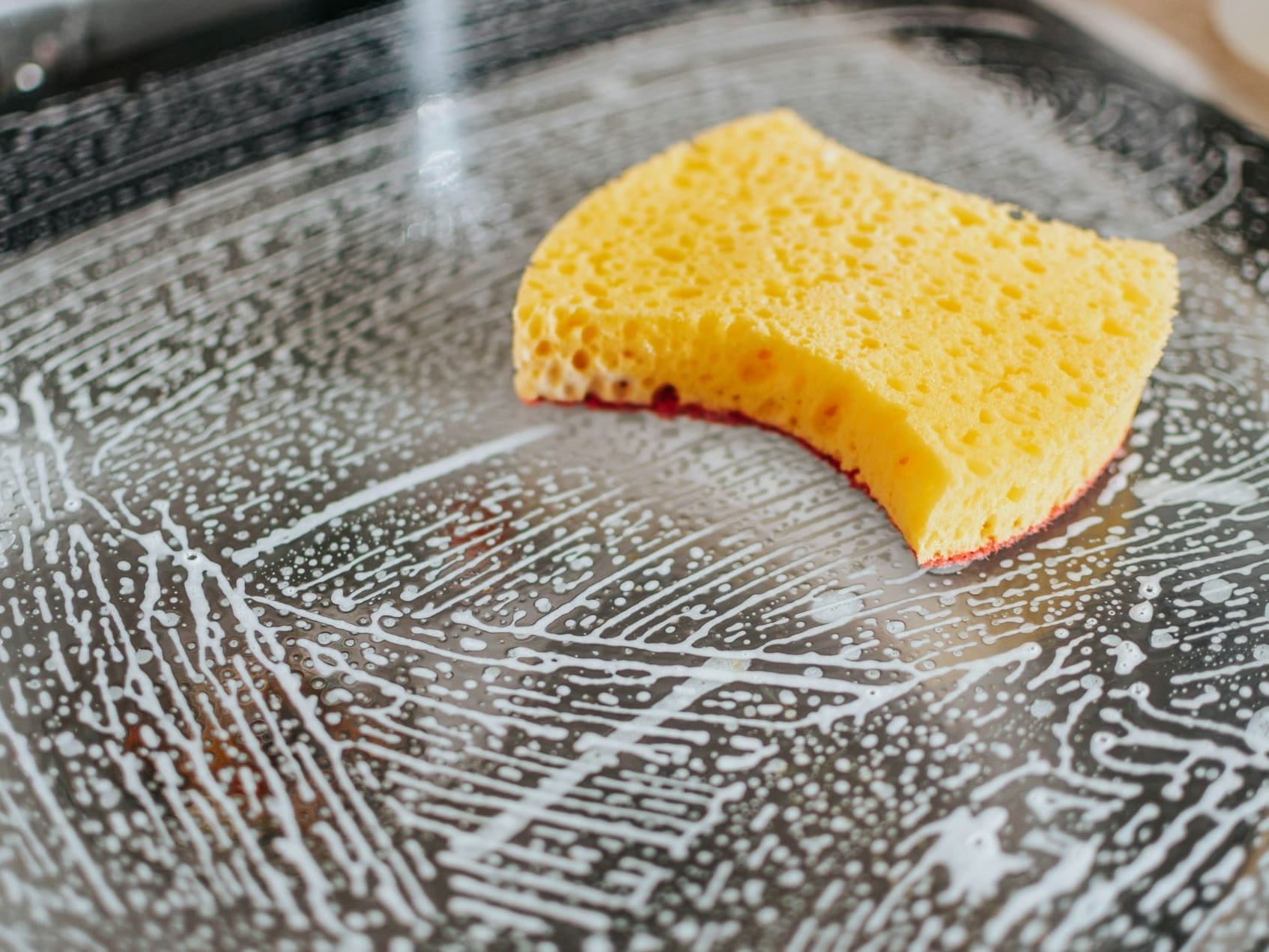
- A sponge or scrubber
- A suitable surface-cleaning product
- A small bowl for food scraps
Having these items nearby means you can deal with small messes immediately instead of walking away from the stove every time something spills.
Clean as You Cook
One of the most effective kitchen cleaning tips is to stop thinking about cleanup as one large task.
Instead, break it into small actions.
Wash or Soak Tools After Using Them
Finished with a measuring cup? Rinse it.
Finished with a mixing bowl? Wash it or place it where it belongs.
Have a pan with food stuck to the bottom? Let it soak while you finish preparing the rest of the meal.
This simple habit prevents dishes from forming a huge pile in the sink.
Use Fewer Bowls and Utensils
You don’t need to dirty a new bowl for every ingredient.
When the recipe allows it, combine ingredients in the same bowl or reuse measuring tools between compatible ingredients. You can also keep frequently used utensils together instead of repeatedly reaching into drawers for new ones.
Fewer dishes mean less washing later.
Keep a Scrap Bowl Beside Your Cutting Board
A small bowl can make vegetable preparation much cleaner.
As you chop, place:
- Vegetable peels
- Herb stems
- Eggshells
- Small food scraps
- Unwanted pieces
inside the bowl instead of scattering them across your counter.
When you’re finished preparing the ingredients, empty the bowl into the appropriate trash or compost container and wipe the area.
Prevent Stovetop and Countertop Messes
Prevention is often easier than cleaning a large mess afterward.
Control Splashes While Cooking
Sauces, boiling liquids, and frying foods can quickly cover your stovetop with droplets.
Use appropriate lids or a splatter screen when suitable. Avoid filling pans too high, and reduce the heat if food is splashing excessively.
Always prioritize safety around hot cookware and open flames.
Wipe Spills Promptly
A small spill can become much harder to remove once it dries.
If sauce lands on the counter, flour falls beside the mixing bowl, or water collects around the sink, deal with it as soon as it is safe to do so.
Don’t reach across a hot burner or touch a hot surface just to clean a spill. Finish the immediate cooking task first if necessary, then clean the area safely.
Watch the Floor
Don’t forget about the floor while you’re cooking.
Water, oil, flour, rice, and vegetable scraps can end up under your feet. Clean them promptly when safe because they can create a slipping hazard and may become more difficult to remove later.
Keep Dirty Dishes Under Control
A sink overflowing with dishes can make even a relatively simple meal feel exhausting.
Load the Dishwasher as You Go
If you use a dishwasher, scrape food from suitable dishes and load them as you finish with them. This keeps your sink and counters from becoming temporary storage areas.
Soak Difficult Cookware
Don’t spend ten minutes scrubbing a stubborn pan while dinner is cooking.
Instead, use an appropriate soaking method for the cookware and return to it later. Follow the manufacturer’s cleaning recommendations, particularly for nonstick or specialty cookware.
Protect Food Safety While Cleaning
Keeping your kitchen clean isn’t only about appearance. Your cleaning routine should also prevent cross-contamination.
Use Separate Preparation Areas When Possible
The FDA recommends using separate cutting boards for fresh produce and raw meat, poultry, or seafood when possible. If you only have one board, prepare foods that will be eaten raw first, then wash the board thoroughly before preparing raw animal products.
Always place cooked food on a clean plate rather than one that previously held raw meat.
Wash Your Hands at the Right Times
Wash your hands thoroughly before and after handling food and especially after working with raw meat, poultry, seafood, or eggs. FDA guidance recommends washing with soap and water for at least 20 seconds.
Also remember that raw meat and poultry should not be rinsed in the sink because splashing water can spread bacteria around nearby surfaces.
Make Cooking Less Messy With Smart Techniques
Small changes to the way you cook can reduce cleanup considerably.
Choose the Right Pan Size
An overcrowded or undersized pan can cause sauces to overflow and ingredients to spill.
Choose cookware that gives your ingredients enough room to move without constantly hitting the sides.
Use Lids When Appropriate
A properly fitted lid can help contain splashes from simmering foods. Just make sure the lid is appropriate for the recipe and cooking method.
Try One-Pan and One-Pot Meals
When you want an easier cleanup, choose recipes that use one primary cooking vessel.
For example, a one-pot pasta or one-pan chicken dinner can reduce the number of pots, pans, and utensils you need to wash.
A Simple 10-Minute Kitchen Cleanup After Cooking
Even when you clean as you cook, you’ll probably have a few things left at the end.
Use this quick reset:
- Put ingredients away. Return spices, oils, sauces, and refrigerated ingredients to their proper places.
- Handle the dishes. Wash remaining items or finish loading the dishwasher.
- Clean food-contact surfaces. Wash cutting boards, utensils, and countertops appropriately.
- Wipe the cooking area. Once surfaces are cool and safe, clean the stovetop and nearby areas.
- Remove scraps and trash. Empty your scrap bowl and take out waste if necessary.
- Check the floor. Look for dropped ingredients or spills.
The goal isn’t perfection. You’re simply resetting the kitchen so the next meal doesn’t begin with yesterday’s mess.
Essential Kitchen Cleaning Supplies
You don’t need dozens of products to maintain a clean cooking area.
| Cleaning Item | Useful For |
|---|---|
| Microfiber cloth | Wiping suitable surfaces |
| Sponge | Washing dishes and light cleaning |
| Dish soap | Cleaning dishes and cookware |
| Scrub brush | Removing stuck-on food |
| Kitchen towel | Drying hands and surfaces |
| Scrap bowl | Collecting food waste |
| Splatter screen | Reducing grease splashes |
If you use reusable cloth towels, wash them regularly. FDA guidance also recommends cleaning food-contact surfaces with hot, soapy water and laundering reusable cleaning towels frequently.
Kitchen Cleaning Mistakes to Avoid
Some habits make cleanup harder than necessary.
Avoid:
- Letting spills dry for hours
- Allowing dishes to pile up unnecessarily
- Using a dirty towel for multiple tasks
- Mixing cleaning chemicals
- Ignoring food scraps on the floor
- Reusing utensils that have touched raw food with cooked food without washing them
Your cleaning routine should always support safe cooking rather than interfere with it.
FAQ: Kitchen Cleaning Tips While Cooking
What are the best kitchen cleaning tips for cooking?
Start with a clear workspace, prepare ingredients before cooking, keep a scrap bowl nearby, wash tools as you finish using them, and deal with spills promptly when it is safe.
How do I keep my kitchen clean while cooking?
Clean in short bursts throughout the cooking process. Put ingredients away, rinse dishes, collect scraps, wipe safe surfaces, and soak difficult cookware while other food is cooking.
Should you clean the kitchen before or after cooking?
Both. A quick cleanup before cooking gives you a clear workspace, while cleaning during and immediately after cooking prevents mess from accumulating.
How can you reduce dishes when cooking?
Prepare ingredients efficiently, reuse suitable bowls and measuring tools, and choose one-pot or one-pan recipes when appropriate.
How often should kitchen surfaces be cleaned?
Clean food-contact surfaces whenever they become dirty or contaminated and between preparing different foods when necessary. This is especially important after handling raw meat, poultry, seafood, or eggs.
Conclusion
Keeping your kitchen clean while cooking doesn’t require you to become obsessed with cleaning every few minutes. You simply need a better rhythm.
Start with a clear counter. Prepare your ingredients. Keep a scrap bowl nearby. Wash or soak tools as you finish with them. Control splashes, clean spills safely, and pay close attention to food-safety practices when handling raw ingredients.
These kitchen cleaning tips turn cleanup from one large chore into several small habits that naturally fit into your cooking routine.
The next time you prepare dinner, choose just three tips from this guide and use them from start to finish. You may be surprised by how much cleaner your kitchen feels when the meal is ready.
Ready to make your next cooking session easier? Pick your favorite kitchen cleaning tip, try it tonight, and make clean-as-you-go cooking part of your routine.
Related Recipes
 How to Properly Care for Kitchen Knives: A Complete Kitchen Knife Care Guide
 Essential Kitchen Tools Every Beginner Needs: A Practical Starter Guide
 Different Types of Cookware Explained: How to Choose the Right Pots and Pans for Your Kitchen
 Choosing a Cutting Board: How to Choose the Right One for Your Kitchen