What Should You Buy First?
If your budget is limited, don’t try to buy the entire checklist immediately.
Build your kitchen in three stages.
Stage 1: Buy These First
Start with:
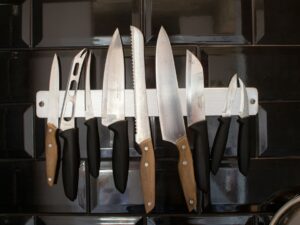
- Chef’s knife
- Cutting board
- Frying pan
- Saucepan
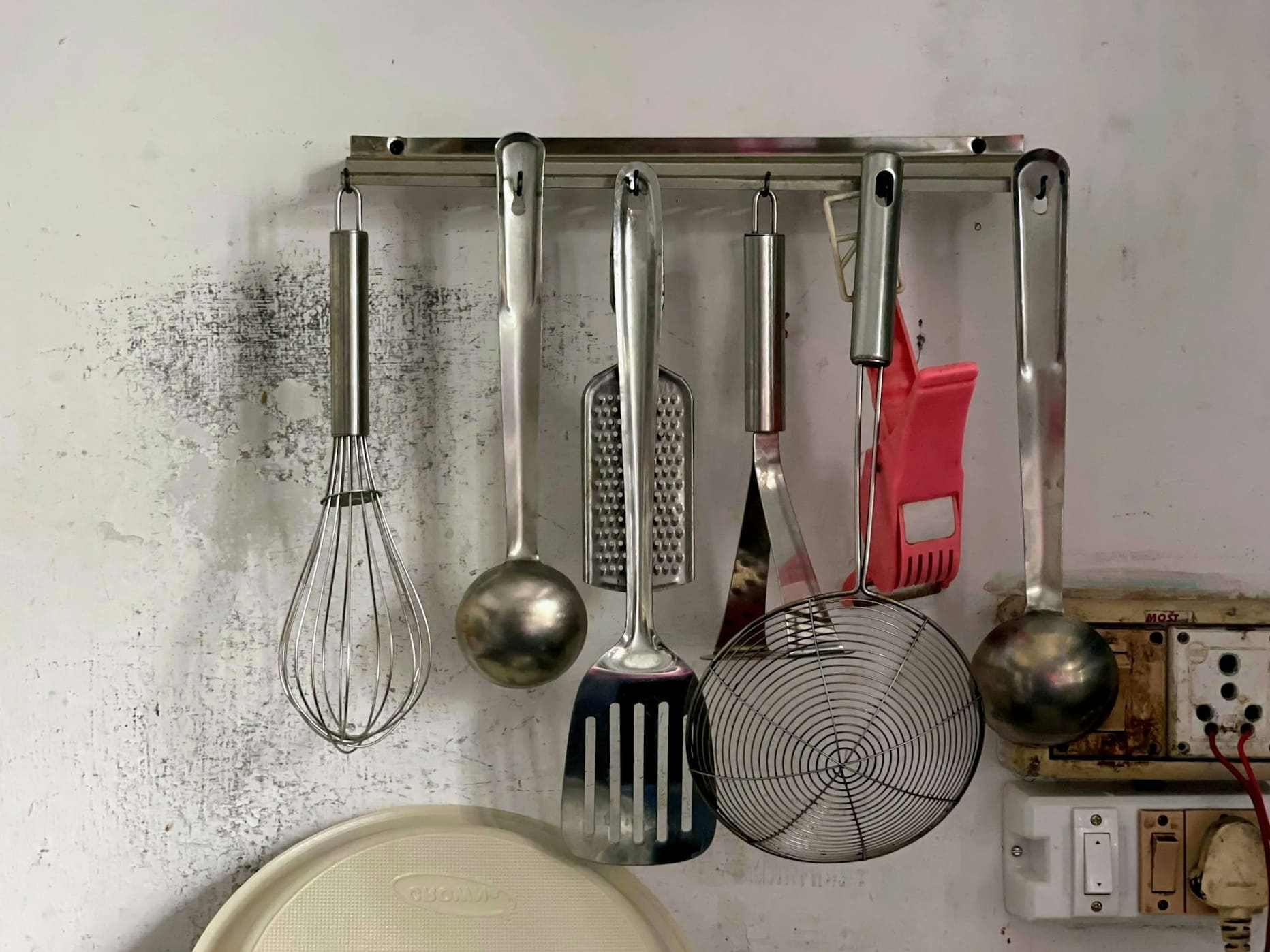
- Spatula
- Wooden spoon
- Basic measuring tools
With those items alone, you can already prepare a surprising number of everyday meals.
Stage 2: Make Cooking More Convenient
Next, add:
- Mixing bowls
- Tongs
- Whisk
- Colander
- Large pot
- Baking sheet
- Oven mitts
- Storage containers
At this point, you’ll have most of the equipment needed for ordinary home cooking.
Stage 3: Buy for the Way You Actually Cook
Only now should you start thinking seriously about specialty equipment.
If you bake frequently, baking equipment becomes worthwhile.
If you make soup every week, you might invest in better cookware.
If you make smoothies constantly, a good blender may deserve space in your kitchen.
The important principle is:
Let your cooking habits create your shopping list—not social media trends or gadget displays.
Essential Tools vs. Gadgets You Can Buy Later
It’s easy to spend your kitchen budget on tools that solve very specific problems.
A beginner can usually wait before buying things such as:
- Spiralizers
- Specialty slicers
- Single-purpose cutters
- Specialized presses
- Highly specific baking equipment
- Gadgets designed for one particular food
That doesn’t mean these tools are useless.
It means they’re useful after you’ve discovered that you repeatedly need them.
If you prepare garlic almost every day and eventually decide a garlic press makes your routine easier, buy one.
You don’t need it to learn how to cook.
Three Meals You Can Make With Basic Kitchen Tools
A starter kitchen should be judged by what it lets you cook.
Scrambled Eggs
Ingredients
- 2–3 eggs
- 1 teaspoon butter or oil
- Salt, to taste
- Black pepper, to taste
Tools
Mixing bowl + whisk + frying pan + spatula
Whisk the eggs, heat the pan, add your butter or oil, and cook the eggs while gently moving them with the spatula.
One simple breakfast already puts four basic tools to work.
Vegetable Stir-Fry
Ingredients
- 2 cups mixed vegetables
- 1 tablespoon cooking oil
- 1–2 tablespoons soy sauce
- 1 garlic clove
- 1 cup cooked rice
Tools
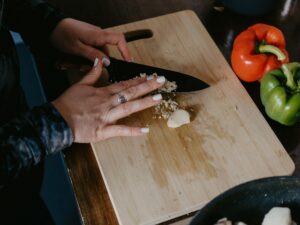
Chef’s knife + cutting board + frying pan + spatula
Prepare the vegetables, cook them in the pan, add garlic and your sauce, and serve with rice.
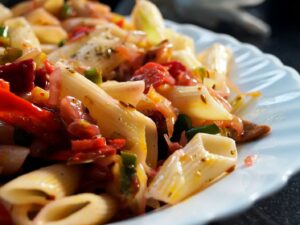
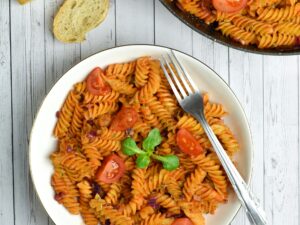
Simple Tomato Pasta
Ingredients
- 200 g pasta
- 1–2 cups tomato sauce
- 1–2 garlic cloves
- 1 tablespoon olive oil
- Salt, to taste
- Parmesan, optional
Tools
Chef’s knife + cutting board + large pot + colander + saucepan + wooden spoon
Once you can comfortably prepare meals like these, you’ll start discovering which additional equipment would actually improve your cooking.
A Few Kitchen Tools Are Also Safety Tools
Good kitchen equipment isn’t useful if it’s handled carelessly.
Keep your cutting board stable when using a knife.
Wash food-contact surfaces and utensils appropriately, particularly after they contact raw meat, poultry, seafood, or eggs.
Keep raw animal foods separated from ready-to-eat foods during preparation.
Use appropriate heat protection when handling hot cookware.
And when a recipe requires checking whether meat or poultry has reached a safe internal temperature, a food thermometer is the tool that allows you to measure it rather than guessing from appearance.
Before Buying Any Kitchen Tool, Ask These 5 Questions
Instead of asking, “Do people say I need this?”, ask:
1. What will I use it for?
You should be able to name actual meals or tasks.
2. How often will I use it?
Everyday tools deserve priority.
3. Do I already own something that does the same job?
Avoid unnecessary duplicates.
4. Can I clean and store it easily?
A useful tool becomes annoying if it doesn’t fit your kitchen.
5. Is it comfortable to use?
Handles, weight, size, and balance matter.
A beginner kitchen doesn’t need to look like a professional kitchen. Start with a good knife, stable cutting board, frying pan, saucepan, basic utensils, and measuring tools, then add equipment as your cooking habits develop.
The goal isn’t to own more kitchen tools. It’s to own the small collection of tools that you reach for again and again.