
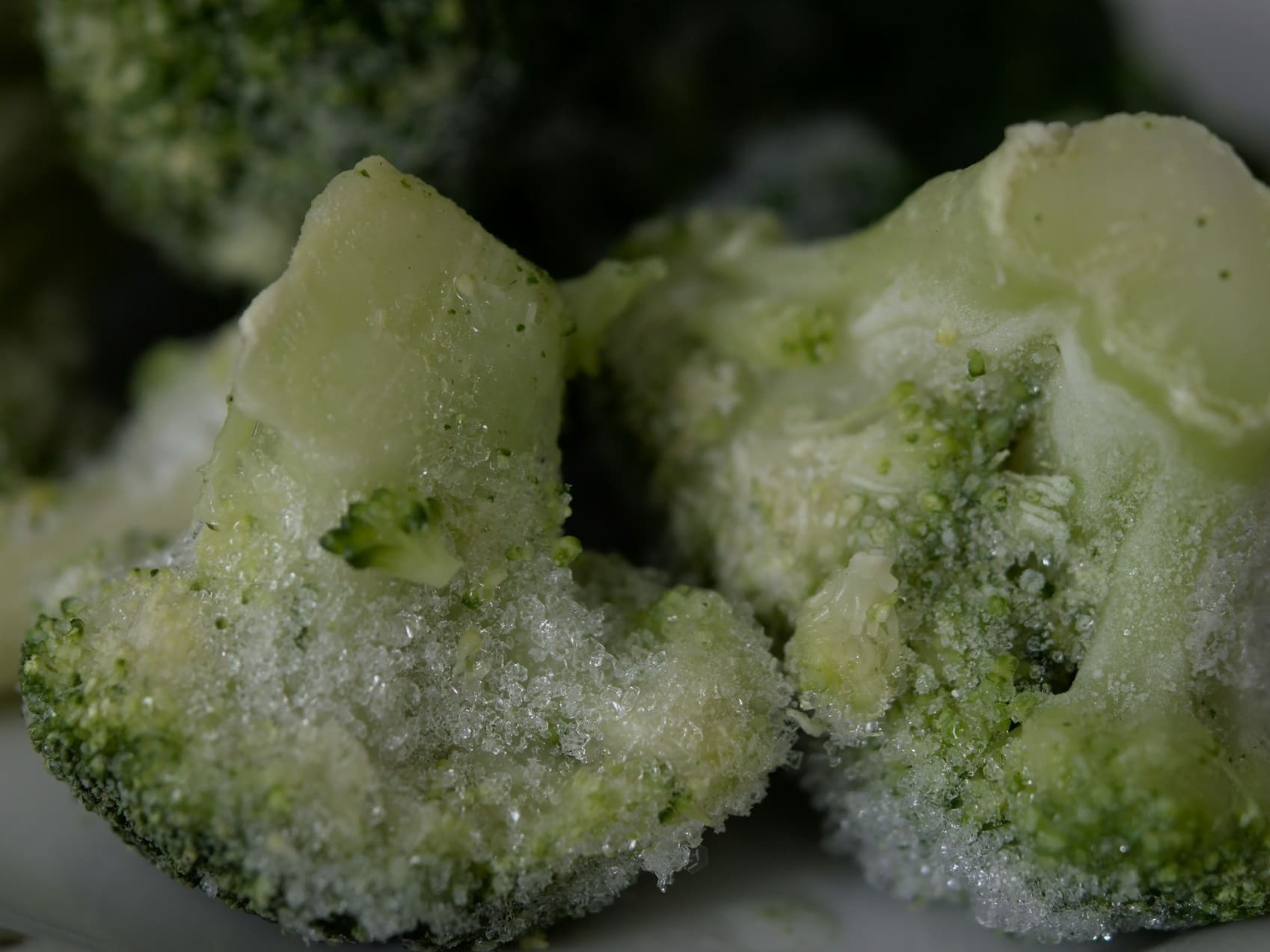
When Frozen Vegetables Are the Better Choice
Frozen vegetables become especially useful when convenience, storage, and cooking matter more than raw texture.
You can keep several varieties available and use only the amount you need.
That makes them particularly useful for last-minute meals.
Best Uses for Frozen Vegetables
Try them in:
- Soups
- Stews
- Curries
- Pasta dishes
- Stir-fries
- Casseroles
- Omelets and frittatas
- Fried rice
- Sauces
- Smoothies, where appropriate
Some dishes work equally well with fresh or frozen vegetables, while others require small technique adjustments.
6 Frozen Vegetables Worth Keeping at Home
Frozen Peas
One of the easiest vegetables to use directly from frozen.
Add them near the end of cooking to:
- Pasta
- Risotto
- Soup
- Rice
- Curries
They cook quickly, so they usually don’t need a long head start.
Frozen Spinach
Useful for:
- Lasagna
- Pasta sauces
- Dips
- Stuffed dishes
- Soups
- Smoothies
For fillings, dips, and casseroles, thawing and squeezing out excess water can be important.
Frozen Broccoli
Keep it for:
- Soups
- Casseroles
- Stir-fries
- Pasta
- Rice bowls
It may not have exactly the same firmness as fresh broccoli, but that often doesn’t matter in mixed cooked dishes.
Frozen Corn
Easy to add to:
- Tacos
- Rice
- Soup
- Chili
- Salads where a softer texture is acceptable
Frozen Green Beans
Useful for quick side dishes, casseroles, and mixed vegetable meals.
Frozen Mixed Vegetables
One bag gives you several vegetables without requiring multiple fresh purchases.
They’re particularly useful for fried rice, soup, quick skillet dinners, and other meals where convenience matters more than perfect presentation.
How to Cook Frozen Vegetables Without Making Them Soggy
Frozen vegetables don’t inherently have to become mushy. The cooking method makes a major difference.
Don’t Automatically Thaw Them
Many frozen vegetables can go directly into:
- A hot skillet
- Soup
- Stew
- Curry
- A suitable roasting preparation
Thawing first can release water before cooking even begins.
There are exceptions. Frozen spinach used in lasagna or a filling is a good example: in that situation, thawing and squeezing out excess water can prevent the final dish from becoming watery.
Think about what the recipe needs rather than applying one rule to every vegetable.
Use Enough Heat
A sufficiently hot cooking surface helps released moisture evaporate.
If the vegetables are sitting in a crowded pan over insufficient heat, that moisture accumulates and the vegetables are more likely to steam.
Don’t Overcrowd the Pan
This matters especially when you’re trying to get some browning.
Use a larger pan or cook in batches when necessary.
Add Sauce Later
Dumping a large amount of sauce over frozen vegetables immediately adds even more liquid.
Let excess moisture evaporate first when the recipe allows it.
Stop Cooking When They’re Ready
Frozen vegetables have often already undergone blanching during processing.
Don’t assume they need the same cooking time as a large raw fresh vegetable.
Watch texture rather than relying exclusively on the clock.